If all goes according to plan, a handful of nuclear fission firms in the US will finally switch on their microreactor and small modular reactors before Independence Day. And Antares—a Redondo Beach, CA-based company building small-scale nuclear fission reactors for remote deployment—has just raised a fresh batch of funding to fuel its run-up to that first reactor prototype.
The company—whose reactors are geared toward the energy needs of the US military—announced yesterday that it has closed a $96M Series B.
- Shine Capital, which also participated in the company’s $30M Series A last year, led the funding round.
- Alt Capital and Caffeinated Capital, co-leaders of the Series A, also participated, along with 53 Stations, Industrious Ventures, and other unnamed investors.
- The Series B brings the company’s total fundraising to date to ~$134M, not counting contract awards or booked revenue.
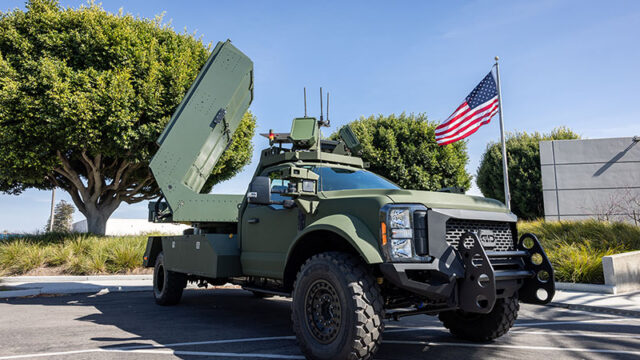
Turn on: The microreactor Antares is building is designed to be modular and can provide anywhere between 100 kW and 1 MW of electrical power over a 4–6 year period. It would run on TRISO fuel, a ceramic pellet fuel design with greater inherent safety than traditional nuclear fuels. It’s also small and compact enough to be shipped out and used in remote locations wherever power is needed—including in space and remote military outposts.
“We’re building the engineering prime of strategic energy, a firm capable of delivering complete fission-powered solutions to the military, NASA, and other federal, commercial, and allied partners,” Jordan Bramble, CEO of Antares, said in a blog post on the raise. “We’re focused on enabling high-value mission capabilities, not just a ‘box of power’ that replaces a diesel generator.”
Built up: The US government has kicked off a handful of programs over the last few years to accelerate the development of commercial fission and small-scale nuclear.
- The military has the JANUS program to get nuclear power to US military installations.
- The DOE has the Nuclear Reactor Pilot Program, which was created in response to a Trump executive order and which aims to get three out of 11 total eligible projects—including Antares’ reactor—to criticality by July 4, 2026.
- NASA has the Fission Surface Power program to put a reactor on the Moon’s surface by the end of the decade.
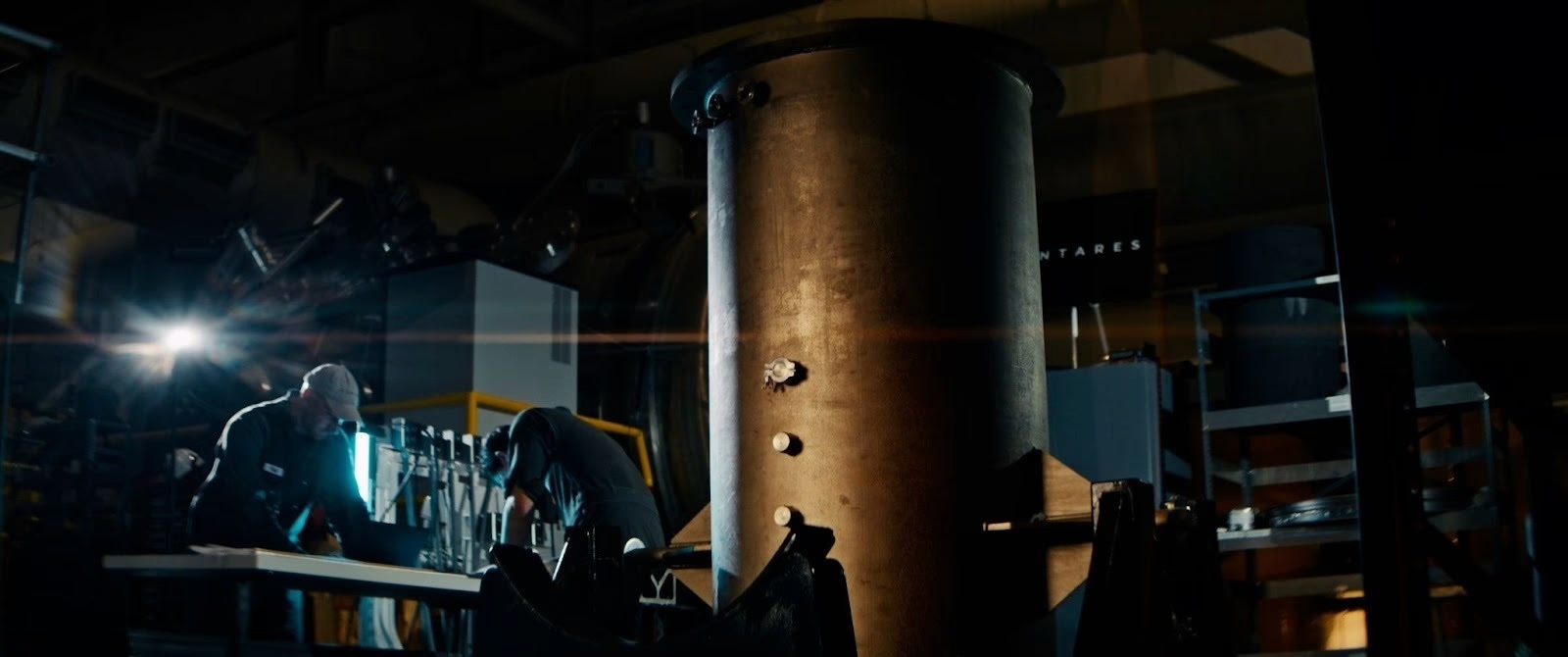
Up next: With this new batch of funding, Antares is moving toward its first reactor deployment: a demo machine called Mark-0 that it is planning to turn on at its Idaho National Lab site next year. After that, the company will be working toward Mark-1, a commercial machine that it hopes will begin producing power as early as 2027.
“This capital will be deployed toward hardware, subsystem testing, fuel fabrication, manufacturing, and the infrastructure required to turn on a reactor and lay the foundation for even more progress to come,” Bramble wrote.