Welp, the Anduril mafia and Nominal are making things super-extra-official.
Yesterday, the testing startup announced that it’s raised a whopping $80M “acceleration round” (their term) led by Founders Fund, valuing the company at $1B.
Nominal co-founder Bryce Strauss told Tectonic that the cash money will be used to double the size of their team and expand abroad—especially in London, where they opened an office last year.
“We’re calling it an acceleration round because it was just really about doubling down on all the bets and all the commitments we’ve already made,” he said.
They’re also looking to acquire companies to bolster their tech and support that move abroad.
“When we talk 10 months from now, I think we’re gonna have a really fun story to tell about how we utilized this capital to grow really, really quickly through acquisitions,” Strauss added.
Watch out y’all. The Americans really are coming.
Testing, testing: Nominal graced these hallowed pages (joking!) mere weeks ago when they announced an official partnership with Anduril, but we’ll give you a bit of a refresher. (There’s been a lot going on, tbf.)
The company doesn’t build hardware—but it’s built a mini-empire making sure that the flashy, go-boom kit all y’all are churning out actually works.
- Nominal’s secret sauce is a platform called Nominal Core. Think of it as an everything platform for testing—rather than flicking between a bunch of different legacy tools, engineering teams can collect, visualize, monitor, and analyze hardware telemetry, logs, video, and test data in real time.
- The idea is to bring testing into the 21st century along with all the new-fangled tech we’re so pumped about. “A lot of the software in the testing space hasn’t really been innovated against in decades, literally,” co-founder Cameron McCord told us last month.
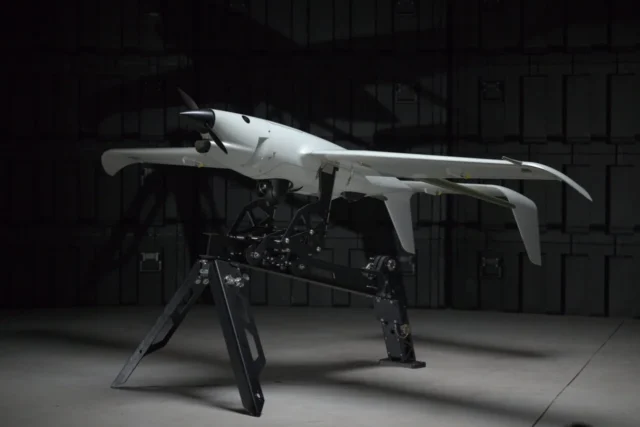
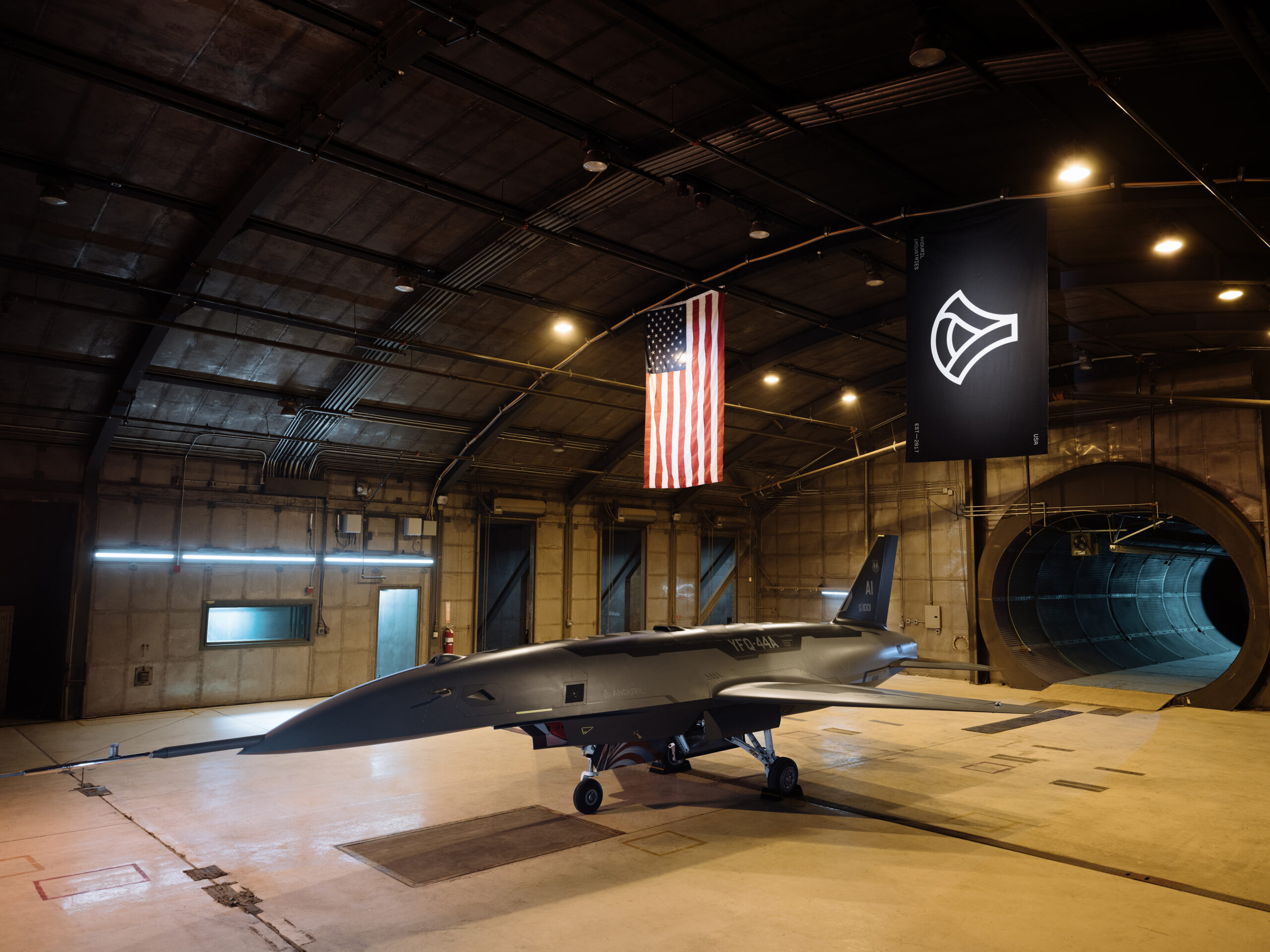
- Beyond Anduril, Nominal also works with defense tech favorites like Shield AI, Hermeus, Vatn, Scout AI, Antares, and others.
And to say the company has been a hit with investors would be a massive understatement.
- The team raised a $75M Series B led by Sequoia last summer, bringing total funding (excluding this latest round) to over $100M.
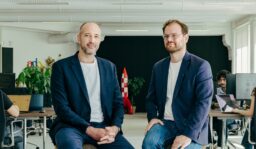
- The company is situated firmly in the ex-Anduril, ex-Palantir ecosystem—McCord is ex-Anduril and Lux, co-founder Jason Hoch is ex-Palantir, and Strauss is ex-Lockheed.
- Strauss told us that they’ve barely touched the Series B—but that basically demand is skyrocketing, and the round led by Founders Fund was too good to pass up. “The world is moving really fast, and so that’s why we ended up actually saying yes to this money,” Strauss said.
“We’ve gotten the wonderful privilege of gaining the trust of four out of the five largest defense primes,” Strauss said. “I think we’re at 70 customers at this point, maybe more than that. At this point, like people kind of keep coming back to us and saying, ‘Hey, would you be willing to do this or that?’…So, taking more money and moving faster here is really about building the team over anything else.”
Scale up: And when Strauss says “build the team,” he means it. “We’ve doubled the team in the last ten months, and we’re gonna double again in the next ten, by the end of the year,” he said. “It’s time to double down.”
And with this money in hand, Nominal has its sights set firmly across the pond.
“It’s cool and cute to say, like, ‘Hey, this is, like, a global problem,’” Strauss said. “But literally, resilient hardware is going to be built all around the world. The western world is not just the continental US building cool stuff. It’s all throughout Europe.”
The company is making a “huge bet” that companies outside of the US are facing the same problems as American defense primes, and that Nominal can help them scale production and testing. “Math and physics don’t change when you’re in a new latitude and longitude,” Strauss added.
Scoop it up: Strauss underlined that a key part of that international expansion plan is acquisition.
“Whenever [customers] ask us to solve more problems for them—some of that will come from organic growth, and some of that is now coming from strategically acquiring companies that we think have extraordinary technology and extraordinary teams, but maybe don’t quite have the go-to-market down,” Strauss said.
Because we knew you, dear readers, would be curious, we asked Strauss what kind of companies they’re looking to snap up.
“If we can find particular things that help us capture the data in a more interesting way, or structure the data in a more interesting way, make it searchable, governable, permanent, [that’s what we’re looking for],” he said. “That all comes back to the compounding effect that we can have for customers.”