We’re sensing that things are just starting to heat up on the drone detection front, and investors are, too.
This morning, Israeli-American radio frequency (RF) sensing startup R2 Wireless announced in an exclusive release to Tectonic that it raised $5M in a funding round led by Origin Ventures, with participation from Spring Rock Capital, Corner Ventures, and Exitfund, bringing total funding to $13M.
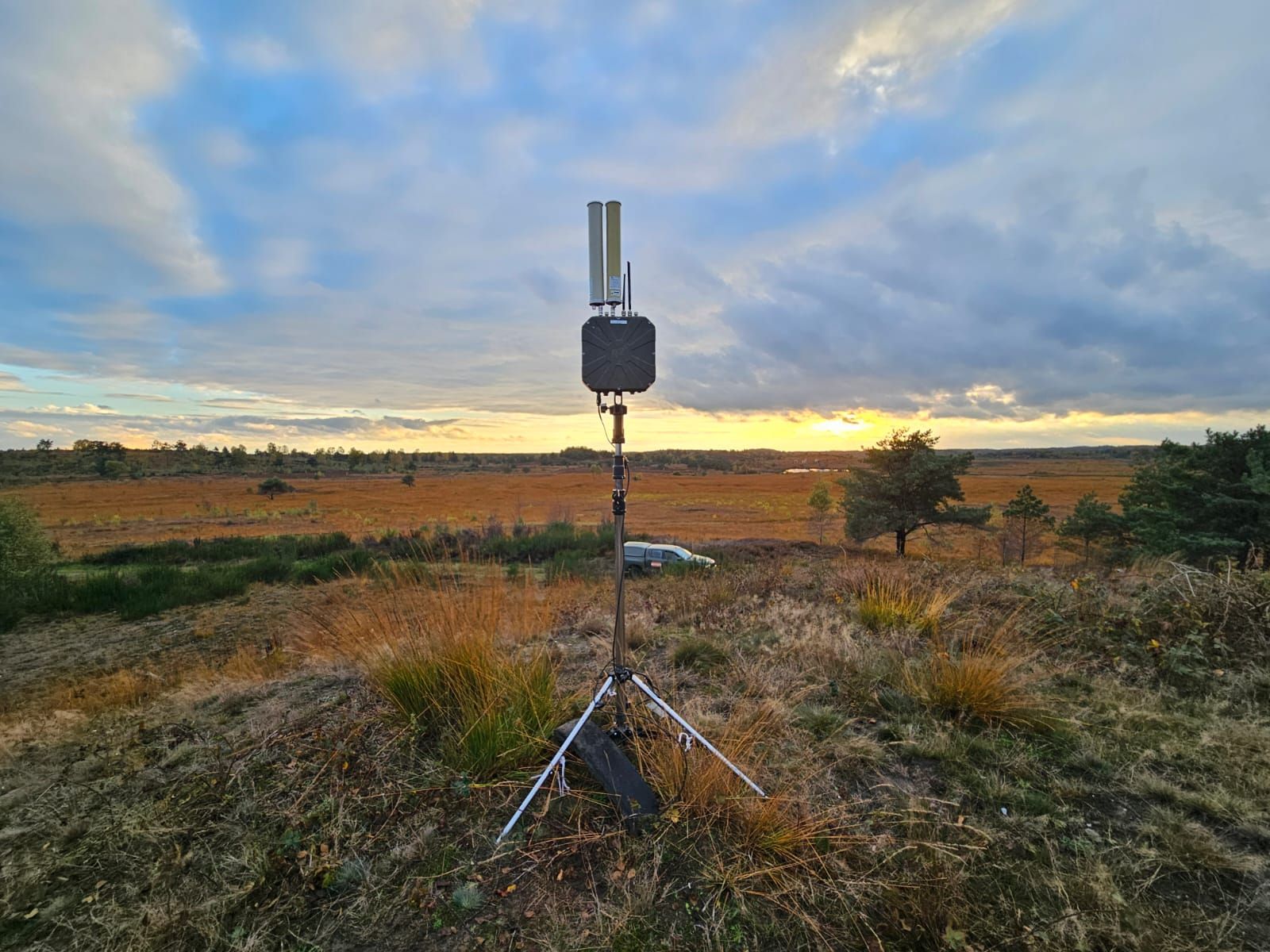
Getting mythical: The focus of the round is scaling up deployments of their flagship passive RF sensing platform, ODIN:
- ODIN uses software-defined sensing, signal processing, and edge AI to detect and geolocate RF emitters (like those drones we keep talking about) across frequencies.
- A key difference, R2’s US CEO Cordell Bennigson told Tectonic, is that ODIN “analyzes RF signals at the physical waveform level, rather than attempting to decode communications protocols or rely on pre-built signal libraries.”
- That’s pretty handy, since most RF detection platforms are built to recognize known signals and protocols (how devices exchange information), such as WiFi, DJI signals, or specific drone command links.
- ODIN, according to the company, can adapt to detect and geolocate encrypted, modified, or frequency-hopping devices, especially drones, and their operators, allowing it to identify previously unknown systems without requiring constant updates.
“At a broader level, the objective is to provide operators with a clearer understanding of the electromagnetic environment and to make RF-based detection a foundational layer of modern air and infrastructure defense,” Bennigson said. “The goal is to provide actionable electromagnetic situational awareness that enables faster and more informed decisions.”
Fast friends: That’s proven pretty popular with both US and foreign customers, including on the domestic side, since ODIN doesn’t decode communications content (which tends to run into some tricky legal and regulatory issues).
- The tech is operationally deployed in Europe and the Middle East. Bennigson wouldn’t say where, exactly, but the company has “formalized an agreement with a NATO Ministry of Defense.”
- On the US side, it’s being evaluated and tested across the Department of Defense and Homeland Security, on top of critical infrastructure installations increasingly focused on the ever-present drone threat.
- R2 also won the c-UAS category of the U.S. Army’s xTech Disrupt competition at last year’s AUSA, one of the four key categories alongside electronic warfare, power, and UAS tech.
With the new funding, R2 is focused on scaling up operational deployments of ODIN in the defense and critical infrastructure space, on top of boosting the team’s engineering headcount and supporting new product development and integrations.