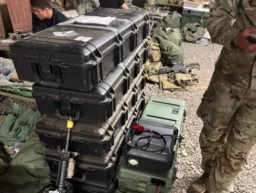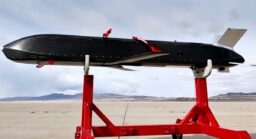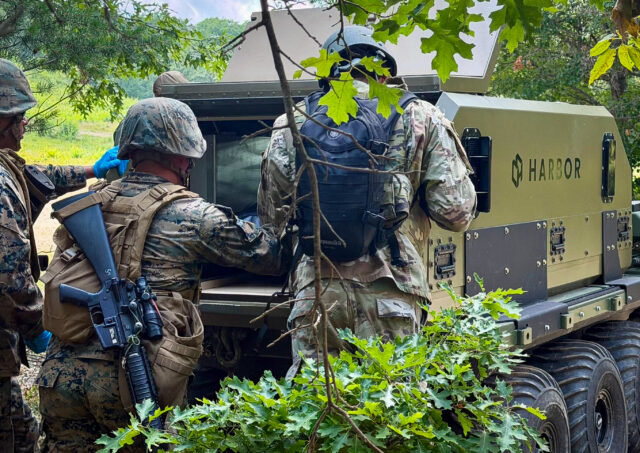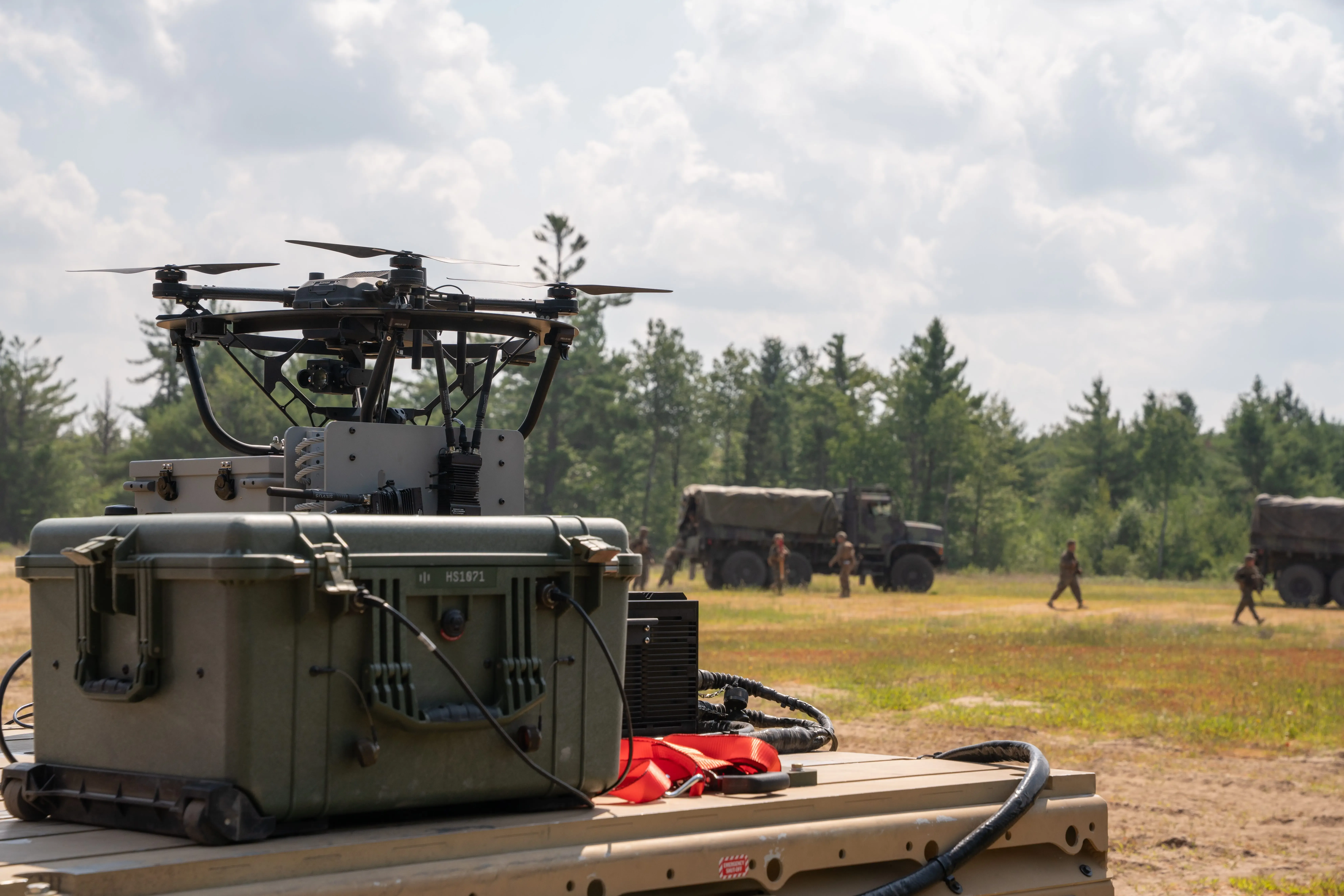
If you’ve been paying attention to the counter-drone space recently, you’ll know that there’s a whole lot of new tech coming onto the scene and a whole lot of companies making it. The trouble is—all of this stuff needs to work together, and that ain’t always the easiest thing to make happen.
Luckily, El Segundo-based Picogrid has made integrating all of this fun new kit its life’s work. And this morning, in an exclusive release to Tectonic, the company announced that they’ve snagged a procurement contract with the Army to integrate all the different counter-drone tech the XVIII Airborne Corps is getting its hands on.
To note: Picogrid couldn’t disclose the terms of the contract.
Glue guys: We’ve covered Picogrid before, but as a refresher:
- The company was founded by Zane Mountcastle and Martin Slosarik back in 2020, and builds both the software and hardware that make battlefield systems (especially autonomous drone-y ones) play nice.
- On the drone-downing front, their software pretty much provides the glue between sensors, radars, effectors, and C2 software up and down the c-UAS kill chain.
For the XVIII Airborne Corps—the Army’s elite rapid deployment force based out of Fort Bragg—integrating new tech super fast is critical. And it sounds like they’ve found a solution in what Picogrid brings to the table.
- Last December, Picogrid teamed up with CX2 at the XVIII Airborne’s Scarlet Dragon exercise to integrate their Gundo neighbor’s RF sensors with radars, passive acoustics, and other sensors. They then fed all that data into Palantir’s ubiquitous Maven Smart System.
- They were able to execute an autonomous mission that took detections from those different sensors to cue radars and effectors to take down hostile drones.
Tissue talk: Under the new contract, Picogrid will “support rapid onboarding of new technologies, data sharing across different networks, coordination across multiple systems, and continued experimentation with forward-deployed units,” according to the company.
The contract was facilitated by the Army’s Joint Innovation Outpost (JIOP), which focuses on delivering rapid innovation and new tech to the XVIII Airborne.
Mountcastle told Tectonic that his company will put a few different pieces of their integration tech in the hands of the XVIII Airborne’s warfighters under the deal, including:
- Legion: Picogrid’s flagship software that fuses information fed from different systems to integrate physical assets, streamline data, and connect to operational tools.
- Helios: A portable “Expeditionary C2 Node” that provides the physical hardware infrastructure and edge compute to connect different assets in the field.
- Portal: An edge compute and networking node that fits into a backpack for dismounted operations.
The contract is “designed to be pretty flexible, but the focus area right now is on [integrating] counter-UAS systems on the full kill chain,” Mountcastle said. That includes all of the “different hardware tools for sensing the drones, effectors for shooting down the drones, and eventually different software tools for analyzing the data that’s coming in and building out the data backbone of the XVIII Airborne Corps.”
“But we’re not a counter-UAS company—we’re a middleware company that supports a whole bunch of different missions, and c-UAS is one of those and the focal point given the challenges and immediate need of the problem,” he added.
Given that Picogrid’s portfolio of over 100 integration partners includes c-UAS legends like CHAOS Industries, CX2, and Echodyne, along with some small startups like Northrop Grumman and Palantir, the XVIII Airborne should have plenty of drone-downing options to choose from.