The FPV phenoms at Neros are on a heater.
This week, the California-based drone startup snagged a five-year, $500M-ceiling US Army contract for its Archer FPV drones under the Purpose-Built Attritable System (PBAS) program.
- The Wall Street Journal first reported the contract.
Neros’ Head of Growth, Ross Pedersen, told Tectonic that the Army has already placed orders for thousands of the drones against the IDIQ contract.
Given that the company’s on pace to hit a 100,000-drone production run-rate by the end of the year and has a lot of room to grow into that $500M ceiling, those numbers could start to get pretty big pretty fast.
(P)BAS Pro Shops: The Army’s PBAS program was launched last year to snap up a whole lot of low-cost, expendable small drones. Neros was named one of three US drone companies tapped for the first phase of the program, and, so far, it’s the first to snag an IDIQ contract, especially of this size.
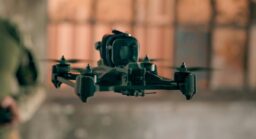
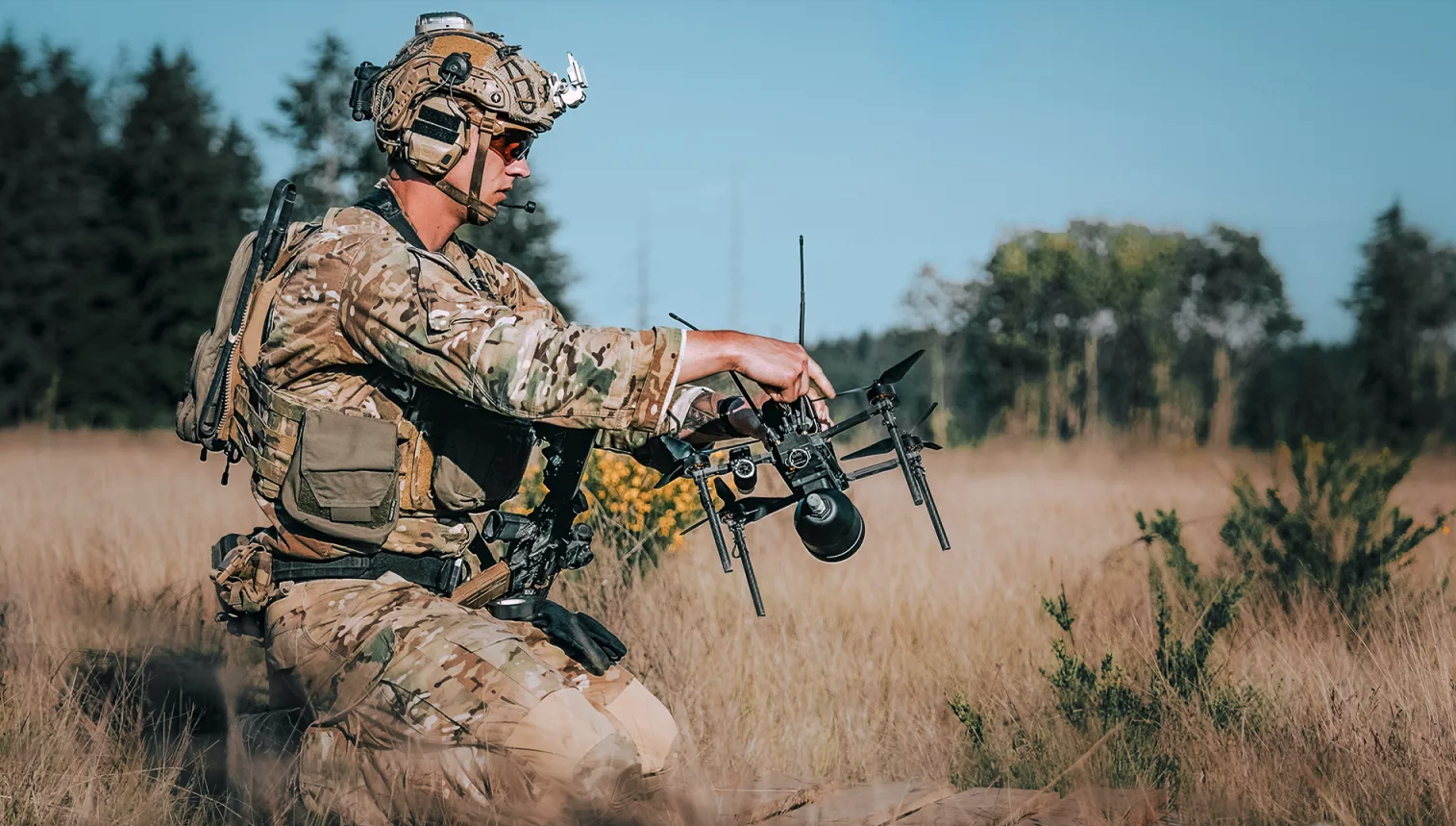
- The PBAS system consists of all the control equipment (like goggles and controllers), two 10-inch FPV drones, and four 5-inch drones, but the contract covers “basically every variant of Archer that’s currently made, so the five-inch, the eight-inch, and the 10-inch,” Pedersen said.
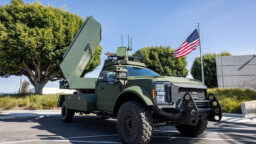
- Neros is also delivering Flatbow, an upgraded soldier-borne version of its Crossbow ground control system.
- Neros is shipping out both the Archer Strike (kitted out with a go-boom payload made by Kraken Kinetics) and non-kinetic variants, but “pretty much everything PBAS is buying has the ability to explode,” he added.
- The drones are built without any Chinese components down to the chip level, come in at around $2,000 per unit, and have a range of about 20km.
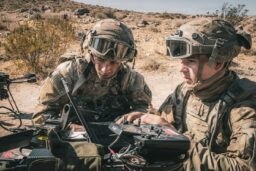
“The PBAS stuff is all getting fielded to the Army, both to special operations and conventional infantry, but we continue to field drones to the Marine Corps, basically every infantry unit,” Pedersen said. “We’ve also fielded systems to every major component of SOCOM, and the end user feedback has been awesome.”
A lot o’ Archers: Neros has gone all in on mass-producing the drones in their new 250,000-square-foot factory in Torrance to meet that booming demand. And, if their performance in the Drone Dominance Program is any indication, they’ll have no shortage of orders anytime soon.
- The company placed second in the first stage of the DDP but was the first to fulfill its 2,400-drone order. In fact, they’ve delivered and qualified more drones than everyone else in the competition combined by a 500-drone margin, according to the most recent data. Not too shabby for a company run by a couple of twenty-something-year-olds.
“We have some inventory, but it doesn’t stay on the shelves too long,” Pedersen said. “That’s definitely one of the tricks in scaling the manufacturing—if we overbuild, we’re in trouble; if we underbuild, we’re in trouble. So far, we’ve done a really good job of matching our production to our demand, and I think we’ll be able to continue to do that.”
All about scale: Neros clearly isn’t too worried about the overbuilding part, and according to Pedersen, the $500M ceiling on the IDIQ is a long-term bet on both Neros’ growing production capacity and the Army’s demand for the drones.
“The size of the IDIQ really reflects Neros’ ability to scale and our plans to continue,” he said. “We’re already producing well over 1,000 drones a week, and we’ve got plans to scale that to hundreds of thousands of drones a year in relatively short order. That’s definitely reflected in the ceiling on this IDIQ.”
The company has plans to ramp up to “a million drones a year in 2028,” he added. “The way I read it, [the Army] is pretty committed to fielding this in large quantities, and they’re very confident in our capability to deliver in large quantities.”
Sounds like someone wants to unleash drone dominance.