Another day, another pile of cash being poured into defense and security AI.
This morning, US-Israeli AI startup Airis Labs emerged from stealth with $60M in funding and a mission to take all of the video out there and turn it into actionable intelligence.
A big chunk of that cash comes from a $31M Series B led by PSG Equity with participation from previous investors, including TLV Partners, Stepstone Group, Redseed Ventures, and angel investors Eyal Waldman, Jeff Horing, Yasmin Lukatz, and David Chinn.
The company says it will use the funding to “scale U.S. operations, expand the team, and accelerate product development.”
All eyes on me: Now, in case you haven’t looked at your phone lately, there is video of everything, everywhere, all the time. And while that video—everything from drone feeds, to body cam footage, to stuff captured on phones—can tell you a lot about what’s going on in the world, it can also be pretty tricky to sift through.
That’s the problem that Airis Labs was founded to solve.
- The company uses AI to take that video and turn it into “machine-readable intelligence.” They call it “user-generated field intelligence,” which they say is “distinct from traditional video analytics, open-source intelligence, or generic data fusion.”
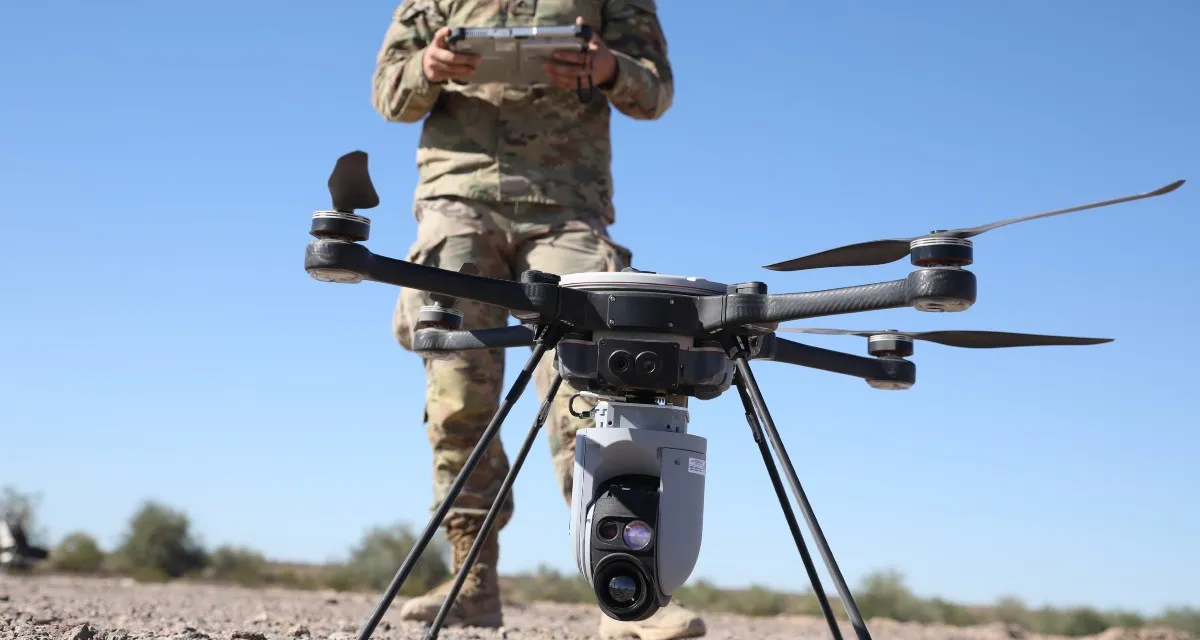
- The platform is source-agnostic, co-founder and CEO Noam Friedman told Tectonic. “The platform can work with video and imagery from the sources a customer is already allowed to use, including body cameras, drones, aerial sensors, CCTV, vehicle cameras, and publicly available open-source video,” he said via email.
- Friedman was careful to point out that the company does not operate its own sensors or cameras—it takes what you’ve got and makes it more legible.
- The only catch is that the video needs to be authorized for use by the customer—Airis does not give customers more to view, but rather analyzes what they’re legally allowed to see. “For government customers, [authorization] may include warrants, court orders, agency authorities, rules of engagement, or evidentiary standards,” Friedman said.
On this season of the Real World: And unlike a lot of companies just emerging from stealth, Friedman and his team say the platform is already being used in the field with “government customers across the U.S., Israel, and other allied markets,” though they couldn’t name specific users.
However, they did say that “within months of its founding, the platform was operational under real-world conditions, fragmented video feeds, massive data volumes, and high-stakes outcomes,” in a statement.
Big ups: From here, put simply, they plan to further refine their platform and expand “significantly,” especially in the US, and especially in terms of “R&D, customer deployment, and field-facing roles,” per Friedman.