If you read Tectonic, you’ll probably be aware of two things: Hypersonic weapons are in high demand these days, and the government wants to move fast to field them. Like, really fast.
That’s all well and good, but one super-underappreciated part of that story is that testing these systems—especially the unsexy stuff like coatings, ceramic materials, and composites that make up the final product—is pretty expensive and tricky.
Luckily, Auriga Space, a California-based startup focused on building electromagnetic launch systems (we’ll get into that), has been working on a solution specifically designed to make sure hypersonics work in the field, rain or shine.
In an exclusive release to Tectonic this morning, Auriga announced that it’s launching its hypersonic “weather effects testing” capability-as-a-service–testing hypersonic components in a test chamber that simulates different weather conditions at hypersonic speed.
- Auriga’s also brought on advanced materials company Axiom Materials, which produces materials, ceramics, and missile skins for primes from Lockheed to Boeing and Airbus.
Speedy quick: If you’re sitting there, like, “Wait, what?” Don’t worry. We’re here to break it down.
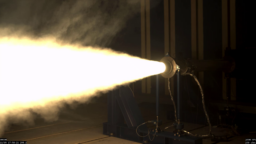
- Put simply, Auriga’s building an electromagnetic track system that uses electricity to create a powerful magnetic field. (Initially, they built this as a rocket motor-free launch system.) The energy from the magnets shoots a projectile down the track at hypersonic speeds.
- In hypersonic testing, this offers a few important advantages over the typical testing process, which mostly relies on pricey and hard-to-come-by solid rocket motors. With the electromagnetic system, launch and testing can be cheaper and more frequent. Plus, it’s reusable and allows for adjustable velocity and configurations.
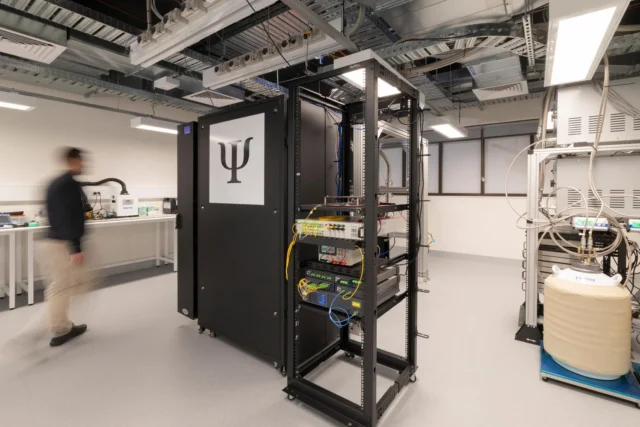
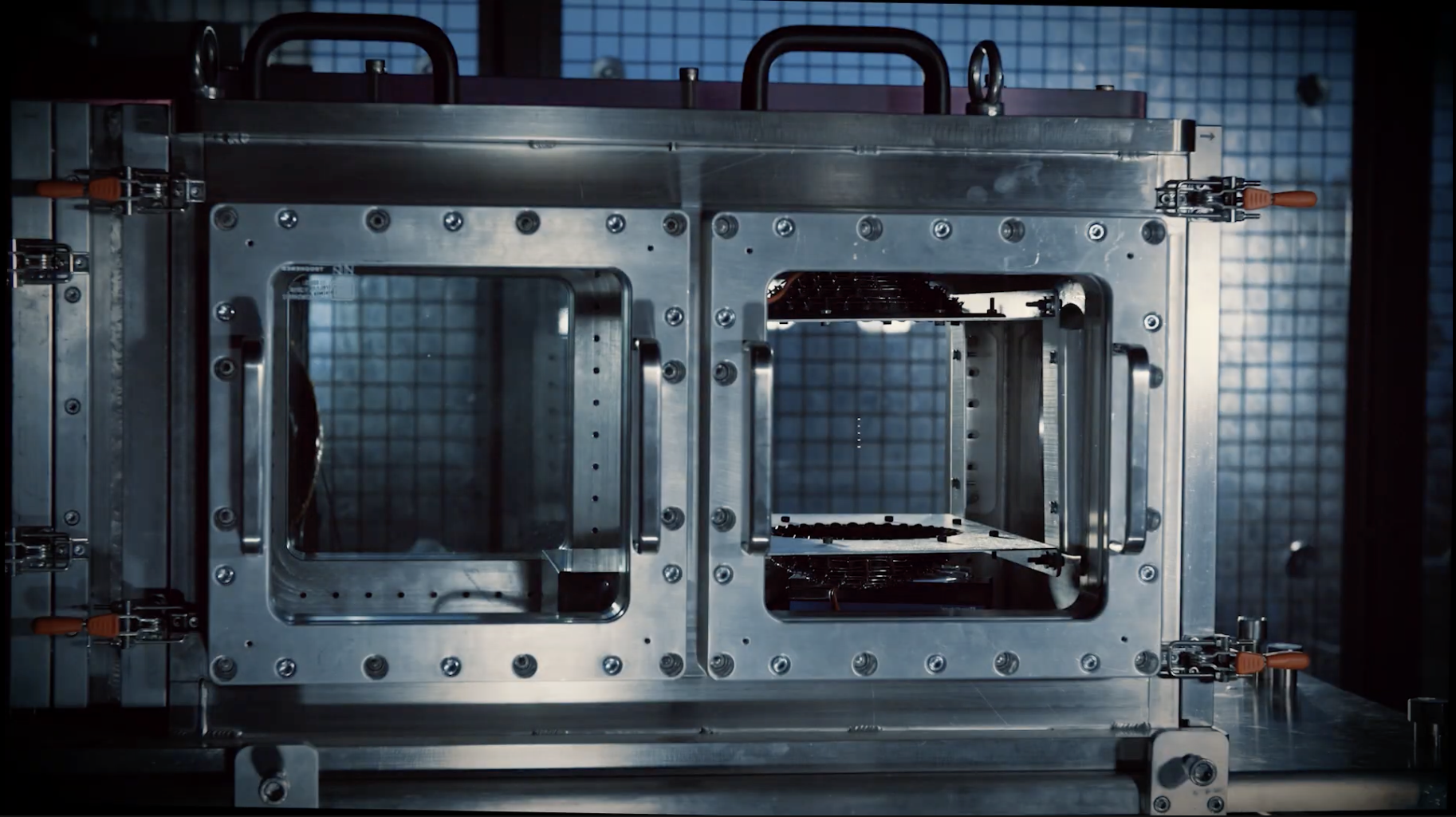
Auriga has built a laboratory-size track with a weather effects chamber that can suspend raindrops, sand, ice particles, and whatever else to test how different shapes and materials hold up at hypersonic speed. The track comes in two flavors:
- Prometheus, Auriga’s operational lab-sized track and the core of the weather effects testing system.
- Thor, an outdoor accelerator for full-scale hypersonic test articles that’s coming online in the next two years.
“Today, there’s actually very little data on how different materials and their coatings behave when flying through weather,” Auriga Space CEO Winnie Lai told Tectonic. “If you think about a raindrop, even though it’s small, because the projectile is moving at such high speeds, it actually has a lot of kinetic energy, which can cause damage to the surface of the projectile, which can then cause structural instability or even a loss of control.”
“If you think about the technology—the hypersonic missiles and systems that we’re developing—they need to be operational in all weather, whether we’re flying through rain, clouds, snowstorms, or even just sand—anywhere there’s particulates in the atmosphere,” she added. “Our [existing] test infrastructure is really old; it’s very expensive to do tests, and we don’t test often enough.”
- Their first customer, Axiom Materials, is focused on, well, the materials side of hypersonic systems, but Lai says that the accelerator can be used to see how a whole range of things, including sensors, perform under different weather conditions at speed.
Ultimately, Lai sees their testing system as an enabling technology for hypersonic missile development. The faster companies can test how all the materials, sensors, and other subsystems perform in simulated operational environments, the faster they can move to real tests and ensure those tests don’t reveal anything they could’ve found in the lab.
“We can buy down risk very early on by providing a low-cost, rapid test bed to weed out different materials, different components, different geometries,” she said. “This should also ultimately bring down the cost of hypersonic systems…and that enables the rapid development and fielding of [these] systems. This should be a positive development for the greater DoW ecosystem.”