There’s a lot of hype around both building drones and, if you’ve been keeping up with Tectonic, making them super autonomous, but SkyfireAI is more focused on building the software around existing drones to make them easier for pilots to use.
That’s been a popular selling point with a lot of public safety agencies, and now, investors.
This morning, the Huntsville, Alabama-based startup announced exclusively to Tectonic that it’s raised an $11M seed round led by Mucker Capital to take their drone AI copilot deeper into the defense realm.
AI Fund, SaaS Ventures, Halogen Ventures, Harvard Business School Alumni Angels, New York Angels, and others participated in the round.
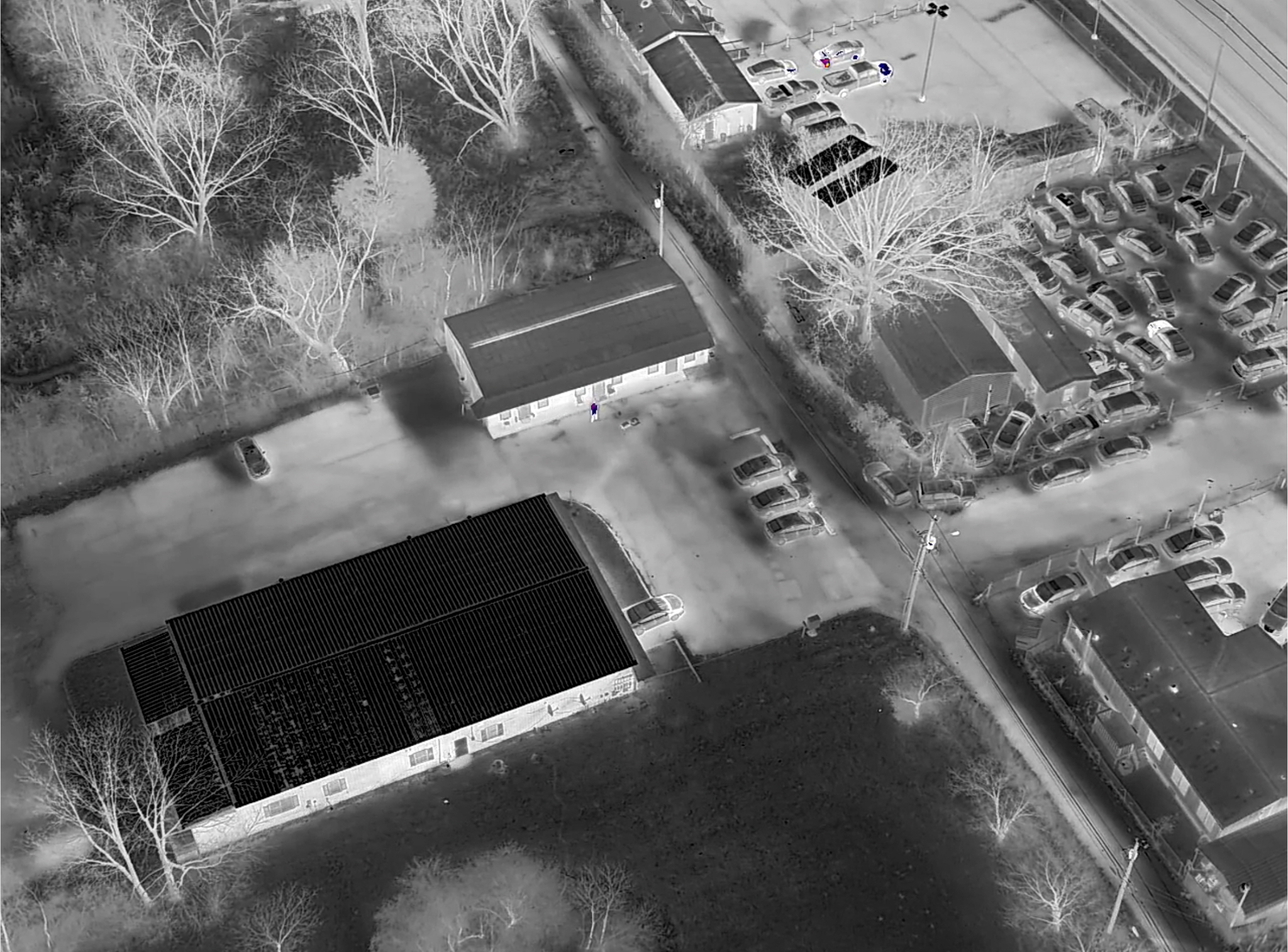
On the scene: SkyfireAI’s bread and butter is the software stack around “Drone as a First Responder” (DFR) programs, where autonomously launched, remotely piloted drones arrive at emergency scenes within minutes.
Skyfire’s platform is pretty holistic, involving everything from data processing and analysis, coordinated teaming, autonomous deployment, and mission planning. Here’s what that looks like:
- The AI software ingests “anything that’s mission-relevant,” according to co-founder and CEO Don Mathis, whether that’s no-fly zones, weather conditions, FAA Notices to Airmen (NOTAMs), 911 calls (in the public safety use-case), and fleet availability.
- Drones on the platform can autonomously conduct pre-flight checks, fly pre-programmed routes, and make adjustments based on new information (like changing weather or alerts).
- The AI algorithm can create “a cohesive and adaptive multi-ship formation” to allow drones to fly in sync and adjust to changing environmental and mission conditions.
- It also processes and visualizes data and video generated by the drones for operators to help them make decisions.
- It’s especially useful for providing drone-enabled overwatch capabilities, rapid response, and search-and-rescue operations (the platform was used during rescue operations after Hurricane Helene).
That’s been popular with public safety agencies, like fire departments, law enforcement, and emergency response teams, but with a drone-frenzied Pentagon, there are plenty of use cases on the defense side of the ball, too.
“Let’s say you want to do perimeter defense around a 350-person battalion: That might be 10 drones flying, but you don’t want to bring 10 pilots with you,” Mathis told Tectonic. “You want to be able to do that on an automated basis to enable a more efficient use of personnel, and the same thing is true if you’re talking about a law enforcement agency or a fire department.”
And according to Skyfire co-founder and CSO Matt Sloane, the company has worked with “every branch of the military except Space Force.”
With $11M in fresh funding in hand, Skyfire’s focused on:
- Speeding up development of its AI-native autonomy platform
- Adding to the tech and product team headcount
- Boosting deployments with public safety, military, and other “mission-critical organizations.”
“There’s a lot of focus on the hardware, and it’s almost like, what designer are you wearing to this event? It really doesn’t matter,” Sloane said. “Having a good drone is important, but once you have a good drone, the rest doesn’t really matter. The thing that doesn’t really exist in any meaningful way is an ecosystem around that drone, and that’s what we’re creating.”