If you’ve been keeping up with, ya know, everything going on, drones are kind of a big deal right now.
The problem is that the one-way attack drones the Pentagon is rushing to get its hands on often rely on high-end MANET and mesh radios—made by Silvus, Persistent Systems, TrellisWare, and other big players—for communications and connectivity. And they don’t come cheap.
Luckily, one startup is here to try and help.
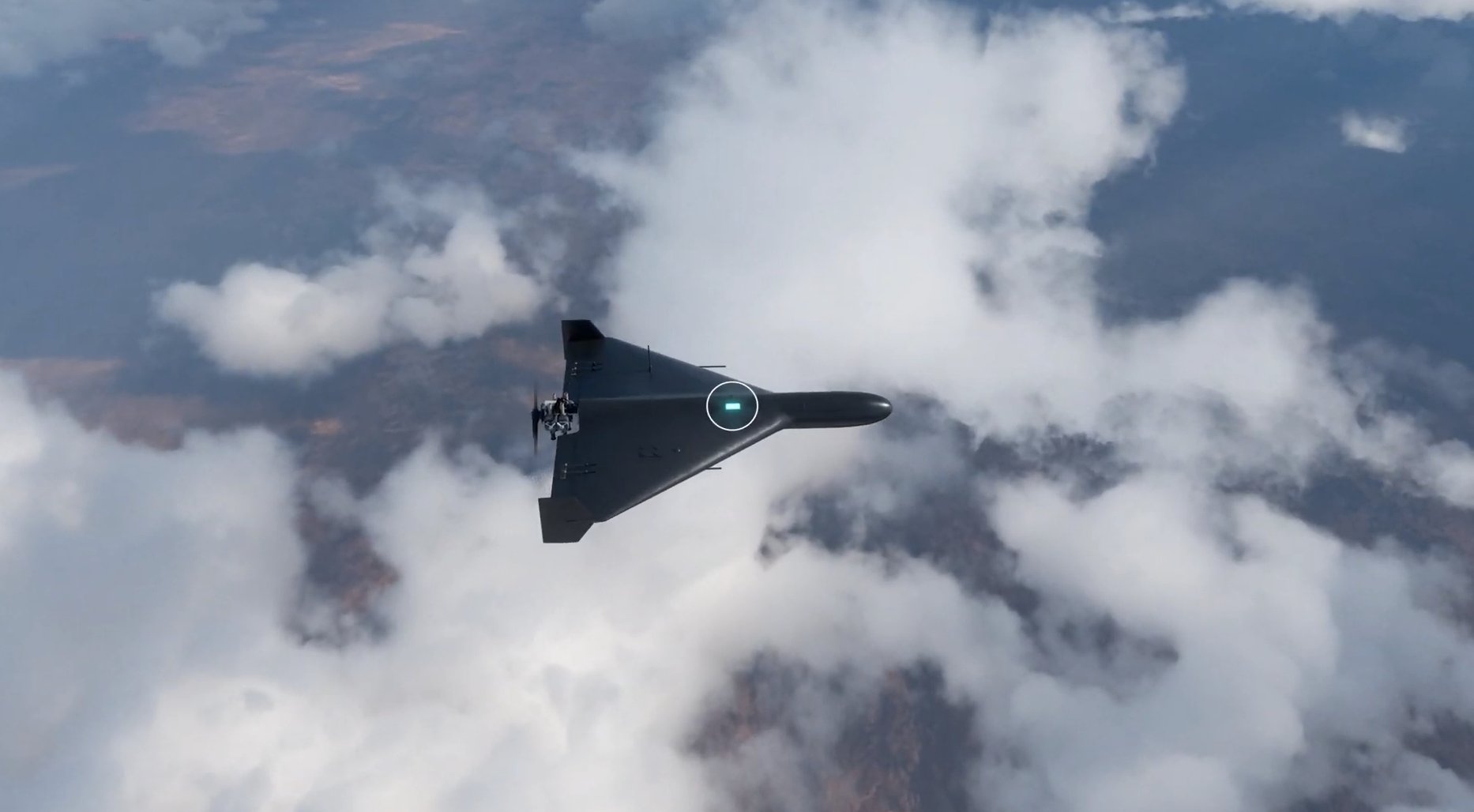
In an exclusive announcement to Tectonic this morning, San Francisco-based Somewear Labs unveiled its solution to the attritable drone connectivity problem: a super-small, low-cost multi-network radio called Horizon, designed to extend connectivity for drones ranging from FPV quadcopters to Group 3 strike drones far beyond operator line of sight.
Plus, according to CEO James Kubik, it’s “operational downrange today” on an undisclosed attritable UAS program. We’ll let you use your imagination.
Origin story: Before we get into all the rad radio stuff, we’ll kick it off with a look at where Somewear came from.
The company was founded in 2017 and got its start on the commercial side, building off-grid comms and connectivity hardware focused on outdoor users. Kubik founded the company after he lost a friend in a sailing accident.
“We ended up building the world’s smallest satellite hotspot at the time that integrated with modern smartphones and cellular networks so that people going out into outdoor, remote environments still had critical access on their smartphones,” he said. “We were building this business in the commercial space, but I got an email from a Homeland Security email address, and the first line was, ‘We’ve been following you.’”
- Not an email anyone wants to receive under normal circumstances, but it’s a little different when you’re building remote comms hardware. As it turns out, “they were looking at the underlying technology behind that commercial application.”
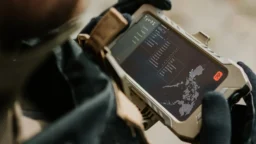
- Somewear then launched a pocket-sized mesh radio called Node, designed to keep users connected to networks in the field, combining “the efficiency of mesh radios and the resilience of satellite technology.”
Horizon hype: When it became clear that drones would be pretty central to modern conflict, Somewear adapted Node for use on unmanned systems to extend connectivity range at a far lower price point than the exquisite radios on the market. Enter: Horizon.
- Horizon, as Kubik described, basically takes Node and turns it into an “OEM-ready drop-in solution that brings a local mesh network and beyond-line-of-sight command-and-control of an unmanned system in one small form factor.”
- Whereas the exquisite radios can run in the tens of thousands, which doesn’t make a ton of sense for attritable one-way attack drones, Horizon comes in at a few thousand dollars.
- Since a lot of the drones on the Group 2-and-up side have a satellite onboard, Horizon can “hop through nodes” switching from line-of-sight to BLOS and have “infinite range, so there’s no conceptual limit to how far you can have command and control an unmanned system.”
- It’s integrated into MAVLink—how drones communicate with each other and ground stations—and ATAK (Somewear was “the first to integrate SATCOM on the move into ATAK,” according to Kubik).
- Since it can pretty much fit in your hand, it can be fitted onto drones from FPV quadcopters for LOS communications and larger platforms for extended range.
Downrange: According to Kubik, Horizon—despite being unveiled today—is already in the field on “Group 2 and Group 3 attritable effects,” so this stuff isn’t theoretical. “We are privately working with a number of OEMs today.”
While Somewear is focused on the UAS ecosystem right now, “that’s just because that’s where the majority of critical effects are sitting,” he said, “but we’ve seen demand for this capability in the USV ecosystem, as we look at making the maritime environment reasonably more attritable.”
With the Pentagon requesting upwards of $55B for unmanned systems through the Defense Autonomous Warfare Group (DAWG) in the FY27 budget, it looks like Somewear has its eyes on getting Horizon everywhere.