In case you hadn’t noticed, the long-consolidated and constrained solid rocket motor (SRM) industry is getting dragged into the future with the help of a few startups, some fancy advanced manufacturing tech, and a military desperate to shore up its shrinking munitions stockpile.
Ursa Major is one of the startups leading the charge.
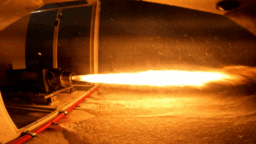
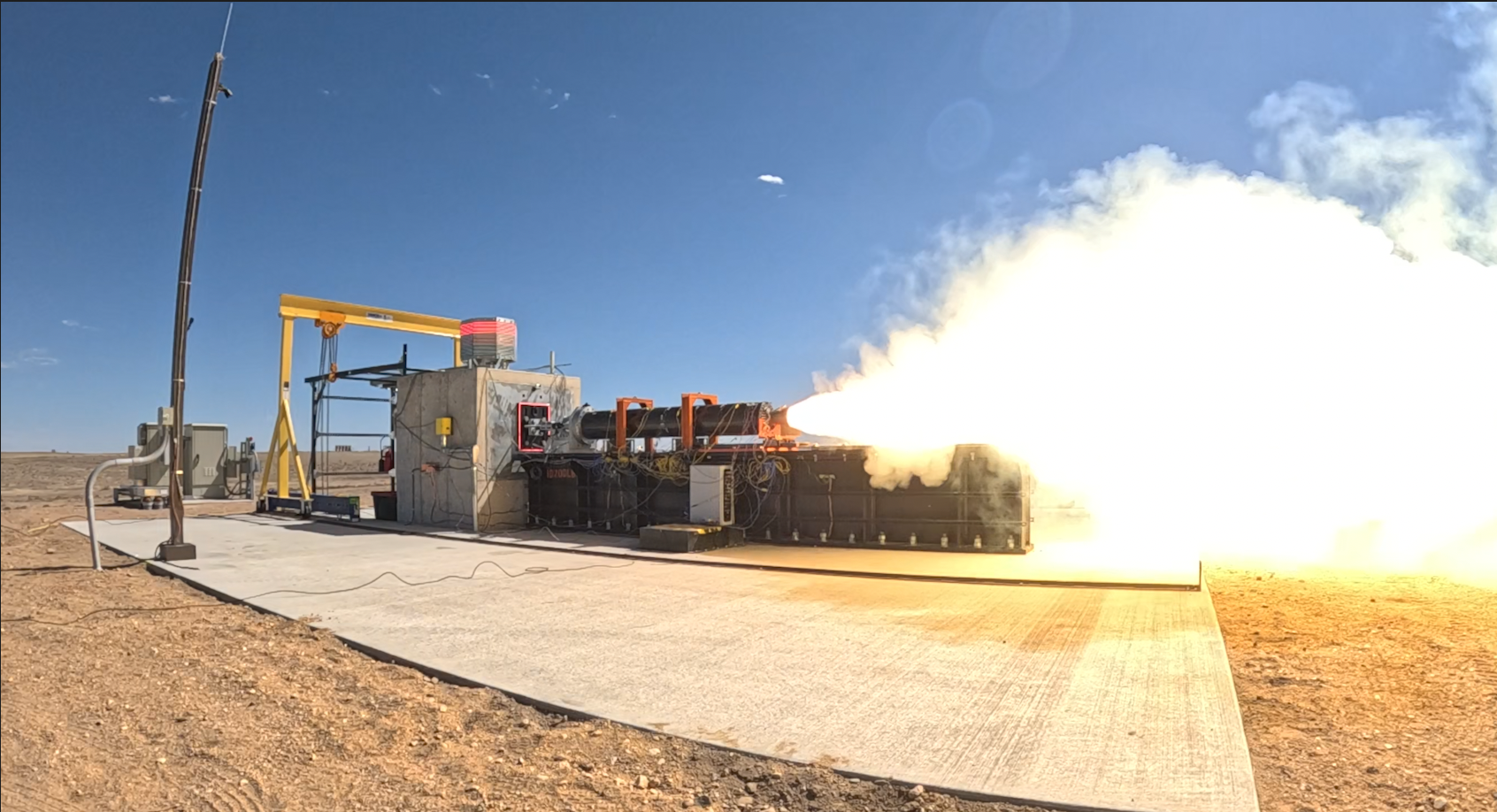
This morning, the Colorado-based propulsion—and, more recently, aspiring hypersonic missile—company revealed in an exclusive release to Tectonic that it’s been awarded a $10M contract from the US Navy to take its 3D-printed MK 104 SRM (which powers the Navy’s workhorse Standard Missile family) through a critical design review and static fire tests.
Bring the boom: That’s good news, too, because according to a CSIS analysis in May, stockpiles of the SM missiles (including the surface-to-air defense SM-2, ballistic missile defense SM-6, and anti-air, land, and sea SM-3) will take around two years to replenish post-Iran war (which, to be fair, is a much better timeline than other missile systems).
The rocket motor shortage doesn’t help. SRMs have been flagged as a critical bottleneck across missile manufacturing, not least because there have historically been just two primary manufacturers of ‘em, L3Harris’s Aerojet Rocketdyne and Northrop Grumman.
The Navy’s betting that some startup spice and new-age manufacturing and propulsion tech will help ease that manufacturing chokepoint and speed that replenishment timeline up.
Printer go brrr: Ursa Major, like a few others, is all-in on using additive manufacturing to cut production times, costs, and make factories and production lines more flexible.
- Lynx, Ursa’s proprietary manufacturing system, uses metallic 3D printing and other technologies to produce different SRM systems on the same production line.
- That includes 2.75-inch diameter SRMs used in the workhorse Advanced Precision Kill Weapon System (APKWS) laser-guided rocket, which has become a popular low-cost counter-UAS interceptor, all the way up to 24-inch SRMs used for space launch.
- Under the latest Navy MK 104 contract, Ursa’s developing a 13.5-inch diameter SRM.
Long time coming: This isn’t Ursa’s first rodeo with the Navy on MK 104 SRMs. Back in 2024, the company was awarded a contract to develop a new design for the SRM using Lynx, and another $25M joint investment in SRM prototyping.
This new contract isn’t necessarily a follow-on for that original MK 104 contract, but rather the start of a new contract focused on “maturing [the SRM] to the point where it’s ready to go through the critical design review as a replacement for the MK 104,” Ursa Major’s president for SRMs, Jason Meredith, told Tectonic. “We’re looking to do static fire [tests] this fall, and the CDR would be done most likely in the first quarter of next year.”
The new MK 104 that Ursa is developing, testing, and putting through the qualification process will “absolutely use Lynx again to utilize those capabilities to improve the manufacturability of the motors and maintain the high level of performance that the MK 104 has delivered to the [SM] missile program in the past.”
That has a few advantages.
“Number one, it cuts time to market, [in terms of] being able to get it through the design and development phase so we can bring those products into qualification and fielding more rapidly,” Meredith added. It also boosts “the manufacturability so that we can improve the throughput of those products, and it also reduces the cost, so there’s a variety of benefits to the Lynx manufacturing process that benefits the warfighter as we utilize it on new motor designs.”
Ursa expects some other companies to be in the mix for the new MK 104 design and potentially “some kind of a downselect following the CDR, or [the Navy] carrying forward multiple providers” for the program, he added, but for now, they’re betting that their secret sauce with Lynx will be key to their SRM design being deployed across the ever-popular SM family.
Boom times, indeed.