Well, the dudes (and dudettes) in Germany are diving headfirst into the research game.
This morning, German defense tech giant Helsing officially unveiled a new research division it’s calling Area 9, a pie-in-the-sky incubator for European defense tech. Think of it as the Moonshot Factory or Skunk Works, but make it European.
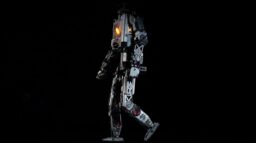
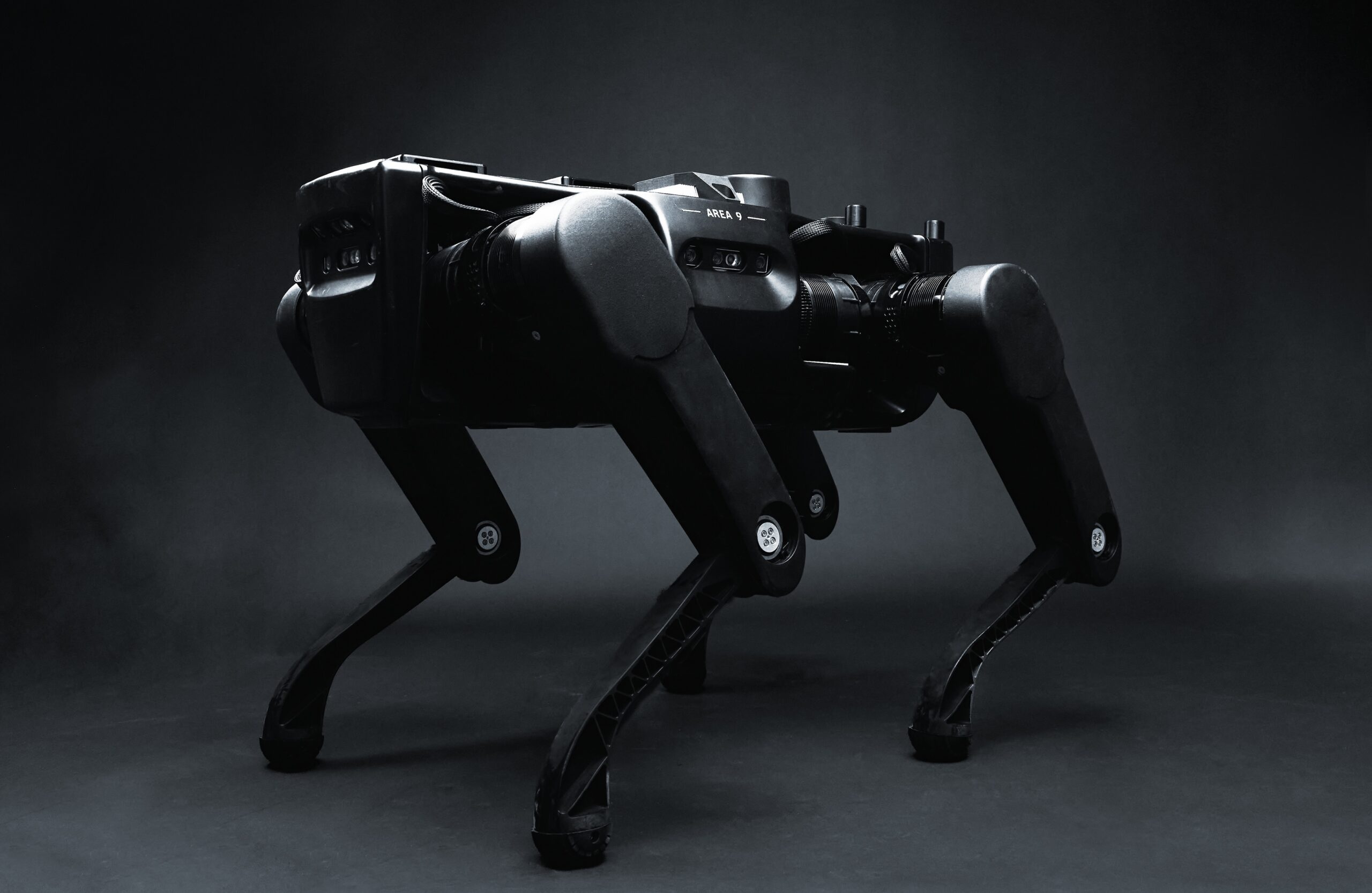
As part of the launch, the company also announced a “robotics research platform” (read: a robot for testing and research purposes) called RX-1, developed by Area 9.
“Until now, robotics research in Europe meant depending on platforms built elsewhere,” Helsing’s Chief Scientist, Antoine Bordes, who will be leading the project, told Tectonic via email. “We built RX-1 so that doesn’t have to be true anymore. Designed here, owned here, iterated here.”
“The battlefield is changing fast,” he added. “Sending humans into certain environments is no longer acceptable. At Area 9, we ask ourselves what it would take to change that, and we invest to build it.”
No hands: Area 9 was first murmured about last year—the innovation team reportedly kicked things off by working on AI agents for the battlefield, including the company’s Centaur AI pilot.
- The agent was publicly unveiled in June 2025, when Helsing and Saab announced that the agent had flown the latter’s JAS 39 Gripen E fighter.
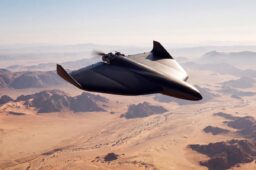
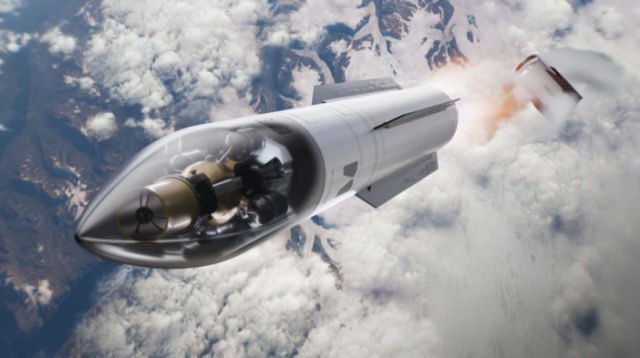
- Centaur will also serve as the AI brain for the company’s CCA analog, the CA-1 Europa, unveiled last fall.
Time to get real: But now, the company says it’s moving into the physical stuff. We’re talking robotics, baby.
- RX-1 (which, in its current form factor, looks a lot like a robot dog) is the core of the effort.
- The company plans to build all parts of the robotic stack—the robot itself, plus the software layer that researchers can develop and test different autonomy capabilities on.
- RX-1 is more research-intensive and less currently-fieldable-capability—the company says it will make RX-1 available to research institutions and robotics laboratories across Europe. Helsing has already teamed up with the robotics group led by Marco Hutter at ETH Zurich and INRIA Paris to further develop RX-1.
An unmanned future: At the end of the day, the company’s goal is to develop an autonomous, robotic platform that can make its way across real-world, unpredictable terrain—like, say, a debris-laden battlefield—built entirely in Europe. RX-1 and Area 9’s push into robotics, the company says, are the first steps towards that.
“Area 9 exists to find the problems that look impossible and break them open,” Bordes said. “That’s how Centaur was born. That’s why we made RX-1.”