In case you weren’t aware, Europe is, like, kinda freaking out over its defense posture. There’s a whole-ass war still waging on its eastern front, the US has become a less-than-reliable ally, and, well, defense stores are not necessarily where everyone wants them to be. Defense budgets are on the rise, but the continent—based on its own assessment—remains behind the ball.
Plus, there’s the matter of all the new, shiny, fun tech we all love to talk about—which costs a pretty penny, and, well, it’s not going to build itself. TL;DR: Europe needs to build up its defense capabilities, and fast, and everyone is trying to figure out how to best do it.
Enter the Defence Readiness Roadmap 2030, which the European Council released last week. The roadmap—building on earlier steps like the ReArm Europe initiative and White Paper on European Defence, as well as a June 2025 EC call to shore up defenses by 2030—lays out a concrete to-do list for turning Europe’s defense panic into production.
The 2030 Roadmap is essentially Brussels’ action plan for how to get from fragmented national stockpiles and slow procurement to a unified, industrial-scale defense ecosystem capable of fighting—and winning—a high-intensity war. And given how much we’ve been talking about Europe—and our European Defense Summit planned for next month (self-plug)—it felt like time for a deeper dive.
Strap in. We’re jumping across the pond.
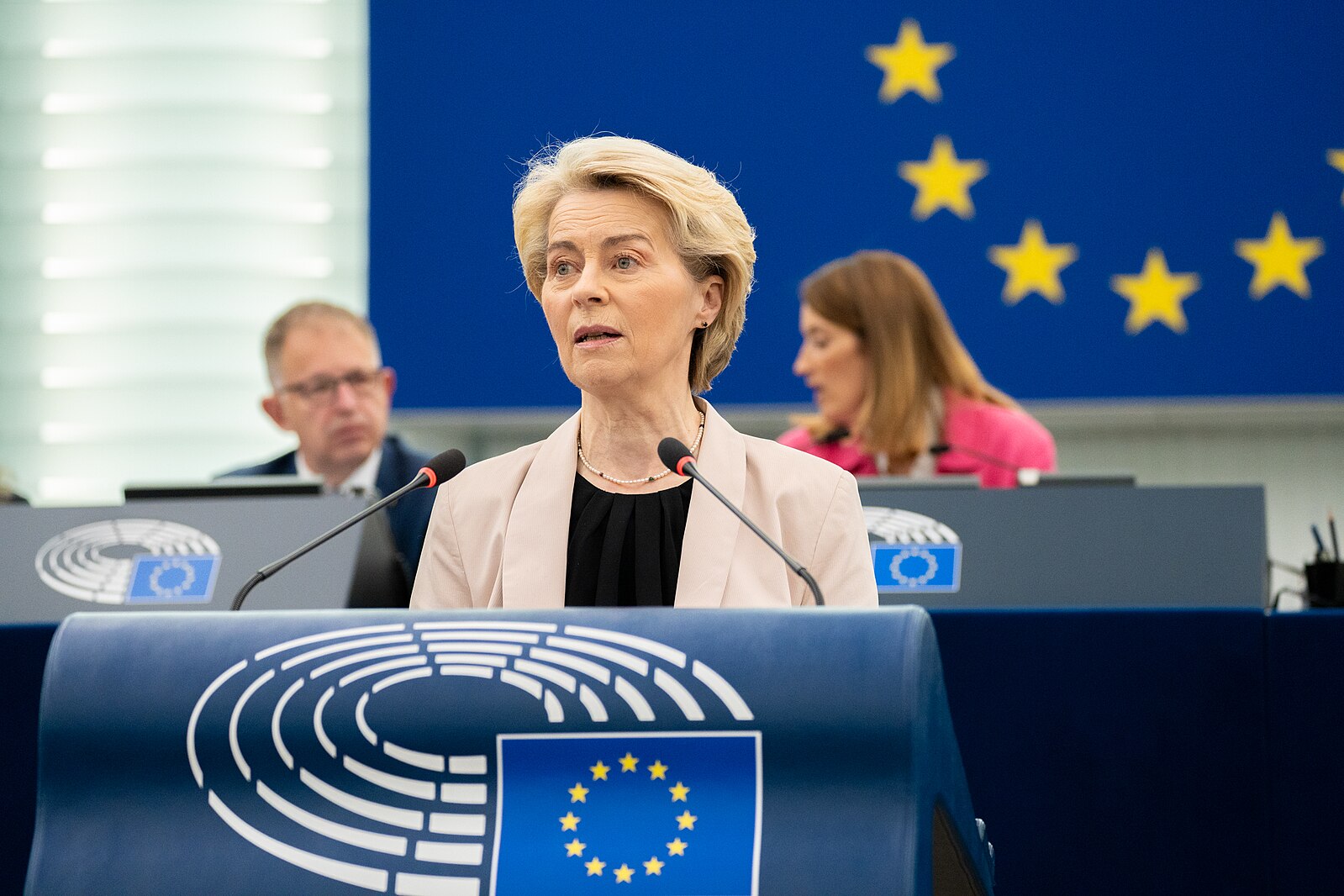
Build-up: For context: this roadmap isn’t coming out of nowhere. It’s the operational follow-up to ReArm Europe, a sweeping €800 billion-plus initiative announced in March 2025 by Commission President Ursula von der Leyen as a “once-in-a-generation surge” in European defense investment.
- ReArm created the SAFE Instrument—a €150 billion loan facility to bankroll joint procurement—and cracked open EU fiscal rules so member states could spend big on defense without breaking deficit caps.
- It also encouraged private capital to flow into defense through the European Investment Bank and the “Save & Invest Union.”
- Plus, it put a major premium on EU-produced kit: to access this funding, you had to be in Europe.
- The idea was simple—more spending on defense capabilities for Europe, made in Europe, that protect the entire bloc.
Think of it like this: The White Paper on European Defence – Readiness 2030 outlined the strategic “why” behind Europe’s defense buildup, ReArm Europe provided the “how much”, and now, the new roadmap is here with the “how”. Man, does Europe love a multi-step bureaucratic process.
BFFs: The new roadmap is centered around a simple idea: European states need to get together, hold hands, and build up defense capacity together. Sounds easy enough. It isn’t.
European defense production remains fragmented, member states compete instead of coordinate, and budgets vary wildly. The roadmap sets out an ambitious plan to change that.
By 2030, Europe wants:
- At least 40 percent of defense equipment jointly procured by 2027 (a goal technically on paper since 2007).
- Over half of all investment to come from the European Defence Technological and Industrial Base (EDTIB).
- The continent to be functionally ready for large-scale warfighting.
The roadmap calls on member states to focus on nine main tech areas where the continent needs to scale fast:
- Air and missile defense
- Artillery and ammunition production
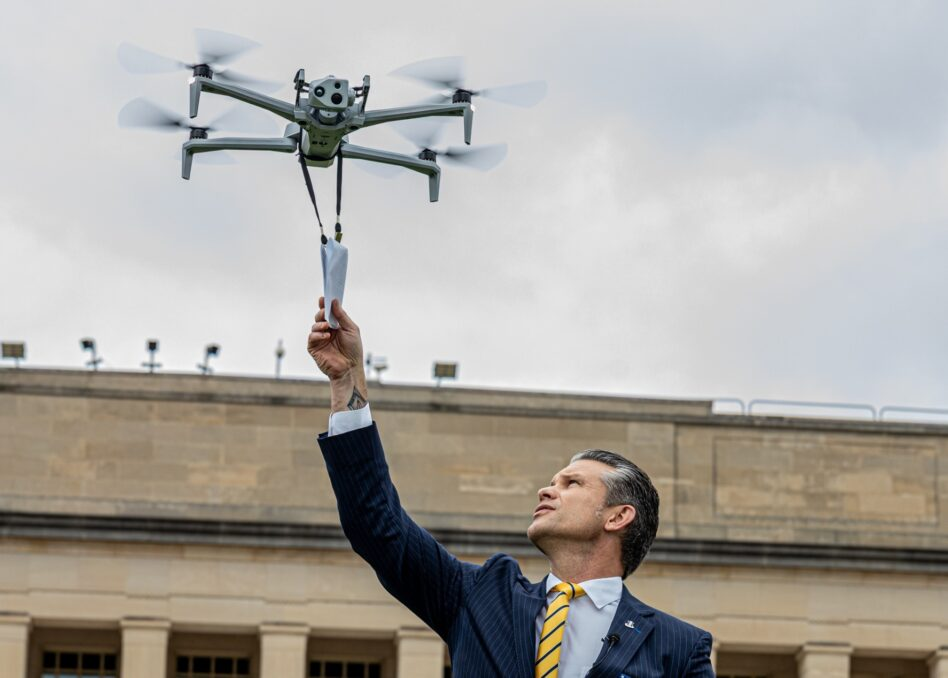
- Drones and counter-drones
- Electronic warfare and cyber
- Artificial intelligence and autonomous systems
- Ground combat and mobility
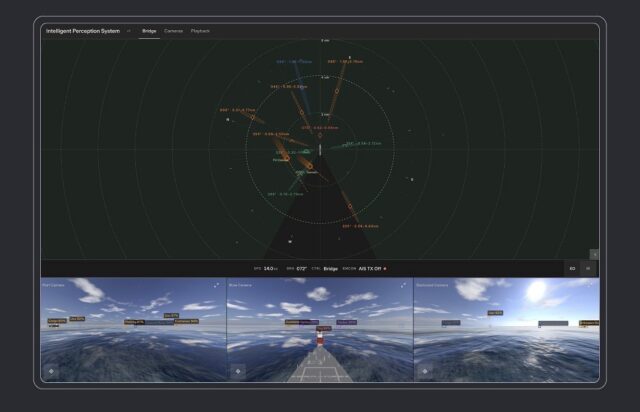
- Maritime systems
- Space-based enablers and ISR
- Strategic logistics and infrastructure
Each area will be led by “capability coalitions” formed of willing member states, with programs expected to kick off by early 2026.
Capture the flag: To give the roadmap some structure—and political traction—Brussels carved out several “flagship” programs designed to accelerate production and integration across borders:
- The European Drone Defence Initiative to develop interoperable drone and counter-drone systems by 2027.
- The European Air and Space Shield, an EU-wide integrated air and missile defense network launching in 2026.
- Eastern Flank Watch, a multi-domain border-defense network along the EU’s eastern edge, operational by 2028.
- The Drone Alliance with Ukraine, linking Ukraine’s wartime drone ecosystem to Europe’s industrial base by 2026. We told you the Ukrainian drones were coming.
These flagships are meant to serve as testbeds for faster procurement, shared manufacturing, and visible proof that Brussels can move hardware, not just paperwork. Now, let’s see if they work.
Start the clock: All of this is meant to happen on a pretty tight timeline—don’t forget the whole “by 2030” part of this. Here’s what the bloc is aiming for:
- Q1 2026: Capability coalitions formalized; Drone Alliance with Ukraine launched.
- End 2026: Industrial capacity review and raw-materials plan complete.
- End 2027: Air and Space Shield operational; EU-wide military-mobility corridors established.
- End 2028: Contracts and financing finalized to close those critical capability gaps.
- 2030: Full delivery—Europe’s forces and industry ready for high-intensity conflict.
Ambitious. Seems like Europe is finally serious about turning “strategic autonomy” from a buzzword into an industrial plan. Whether that’s enough to make Europe truly fight-ready by 2030 remains to be seen. But Brussels has started the clock.