We write about drones, self-guided missiles, robots, and all of the other tech taking over the battlefield of the future every day. What we write about less are the overlooked-but-critical subcomponents inside each of them. Ya know, the stuff that actually makes them work.
A big part of that is because there aren’t a whole lot of companies making those parts in the US. Much of the drone and robotic revolution in defense tech is, beneath the surface, powered by foreign-sourced (read: Chinese) components—especially actuators and motors.
Luckily, a new startup has burst onto the scene to change that.
Yesterday, Westmag (a portmanteau of Western Magnetics) emerged from stealth with $11M in seed funding from some seriously heavy hitters—a16z (the lead), Lux Capital, Menlo Ventures, Founders Fund, and others—and an order book for drone motors in the hundreds of thousands.
Not a bad start for a company pretty firmly (we say this affectionately) on the unsexy side of defense.
Move it: Before we get into the company a16z General Partner Erin Price-Wright calls “the worst kept secret in hardware,” let’s look at what actuators are—and why they aren’t, for the most part, built in America.
Put most simply, they’re the mechanical muscle that makes all of the drones and robotic systems we know and love actually move. Seems important.
- Actuators—in this case, electric actuators—turn energy into motion and are typically a combination of three components: the motor, which creates the motion and spins with magnets; the control electronics, which tell the motor how fast it should spin; and the gears, which adjust the speed and torque to turn that rotation into useful movement.
- Like pretty much everything else, China has figured out how to make them at scale for everything from your phone and computer to electric cars, robotic factory arms, and humanoid robots.
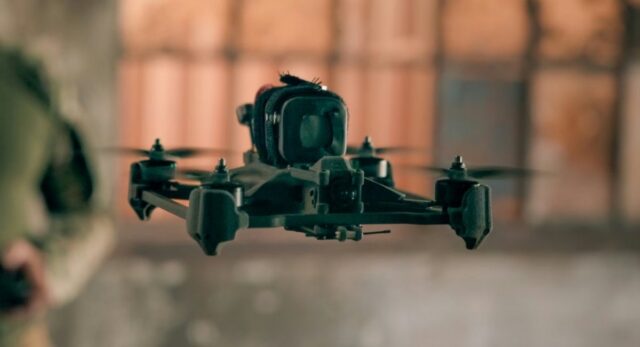
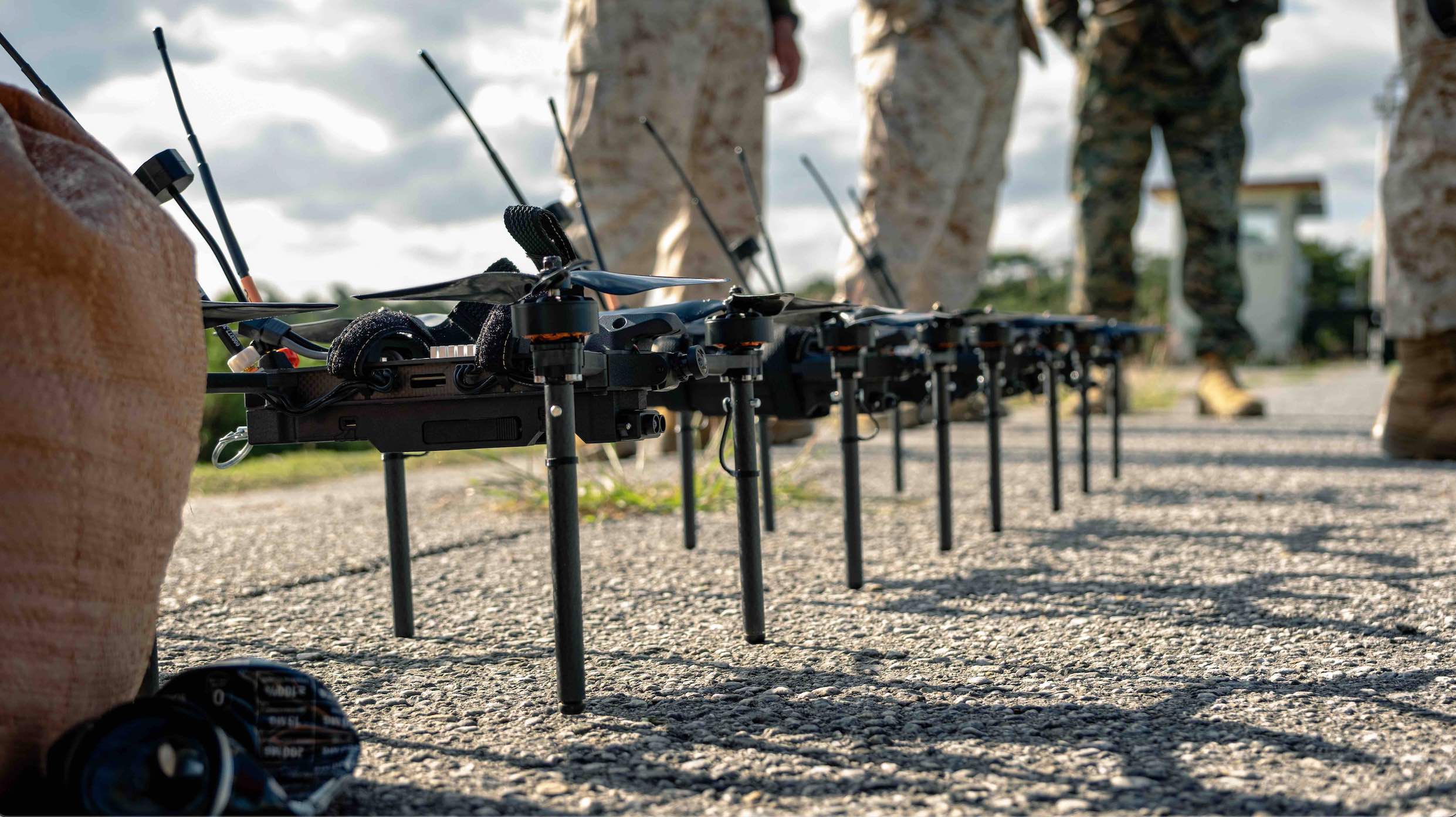
Scaling in silence: In Westmag’s case, they’re focused (at least for now) on building actuators and motors for all of the mass-manufacturable drones the Pentagon is pushing industry to produce and units to field.
And thanks to a whole lot of pressure from the military, regulators (including the FCC, which banned foreign-made drones and critical components, including motors, last December), and drone companies looking to reshore their supply chains, their kit has been hit.
- Despite operating in stealth for a year, Westmag has racked up an order book of hundreds of thousands of actuators and motors.
- The company is on track to pump out tens of thousands of units a month in its South San Francisco facility by the end of the year. That might be why Price-Wright called the company the industry’s “worst-kept secret.”
Westmag co-founder Jordan Sanders couldn’t disclose who those customers were, but told Tectonic that they’re “high-volume drone and robot producers,” though the “majority of immediate business from a volume perspective is on the drone side for sure.”
- The reason they “delayed coming out of stealth was that we’ve been focusing on building up our capacity and actually locking down agreements with some of those select high-volume customers,” he added.
- They’ve also started working to lock down raw material suppliers and customers abroad, particularly in Japan.
All about the numbers: The good (and also bad) news is that actuators and their subcomponents aren’t actually all that sophisticated or difficult to manufacture. The trick is doing so at scale, and that’s what Westmag is focused on.
“We’ll make greater motors over time…our thesis is that you first focus on scale, and second, once you have scale, that’s when you’ve earned the right to innovate,” Sanders said. “[Scale is] how you’re able to actually drive a lot of efficiencies, both at the atomic level and with the motor.”
Ramping up: Westmag is putting that $11M in seed funding—secured, very secretly, last summer—right into ramping up production. And it sounds like it won’t be long before Sanders and his team go looking for more funding from their Tier 1 friends.
“We’re going to need more money than just a seed round, so having multiple top-tier firms involved from the earliest days has meant that we’ve been able to build a super strong foundation and have folks who are going to be alongside us as we grow,” Sanders said. “We’re growing so fast that we’re definitely going to need to bring on more capital for sure.”