Well, a drone with the same name as some dude you hung out with in college is getting a buzzy upgrade.
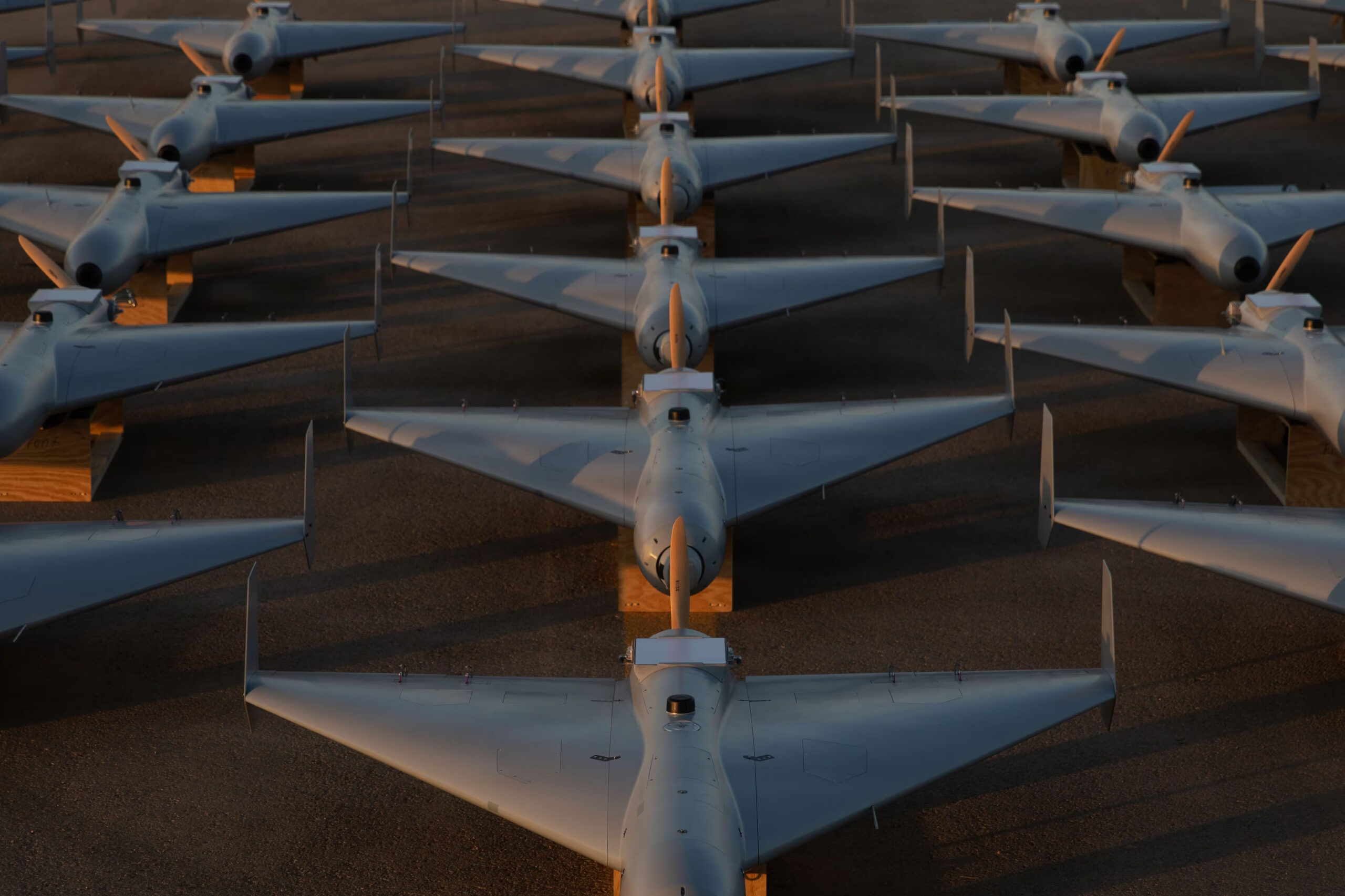
Yesterday, autonomy giant Shield AI announced that it’s been tapped by the Office of the Under Secretary of War for Research and Engineering (OUSW R&E) to build its Hivemind autonomy software onto LUCAS—the Low-Cost Uncrewed Combat Attack System.
Hivemind will play AI pilot for the Shahed-like attack drone, “enabling groups of drones to coordinate, maneuver, and adapt together to changing conditions in real time, based on warfighter input.”
“LUCAS is about delivering affordable mass, but mass without coordination is limited in value,” Brandon Tseng, president and co-founder of Shield AI, said in a statement. “Hivemind is the AI pilot that makes that mass intelligent.”
The company plans to do a demo controlling a swarm of LUCAS (LUCAS-es? LUCAS-i?) this fall.
Big bucks: Shield AI has had quite the year, in case you hadn’t noticed. The company—founded in 2015 by brothers Brandon and Ryan Tseng—has made a name for itself building all things autonomous. And they’ve raised a pretty penny to do it.
- The company has raised about $3.15B in funding—most recently, a $2B Series G at a $12.7B valuation. Yes, with a B.
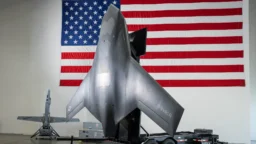
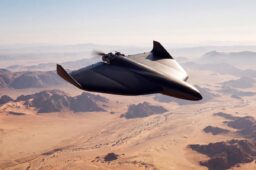
- On the hardware side, they’ve got their flagship 9-foot-tall V-BAT Vertical Takeoff and Landing (VTOL) drone, and late last year they unveiled the X-BAT—an autonomous VTOL fighter jet. Think of it as a super-charged CCA (with a super-charged, $27M price tag).
- But the real secret sauce is Hivemind—the autonomy stack that powers all of this stuff. Sales of the AI pilot software account for about half of Shield’s business.
Five-sided friends: And to say Shield—and Hivemind—have been popular with the Pentagon and industry would be the understatement of the decade.
- Shield was tapped to provide the autonomy brains for the Collaborative Combat Aircraft (CCA) program, and Hivemind has been integrated on Anduril’s YFQ-44A CCA model. FWIW, the software has also flown GA’s MQ-20 Avenger.
- The software has also been built onto Kratos MQM-178 Firejet, U.S. Navy BQM-177 test aircraft, and the Airbus UH-72A Lakota helicopter.
- The company has about $41M in contracts with the US government, according to Obviant data.
Strength in numbers: The most important thing for LUCAS seems to be Hivemind’s autonomous swarming bona fides. With Hivemind, LUCAS operators will pretty much only have to worry about strike. The software will take care of the rest.
- Per Shield, Hivemind “manages navigation, coordination, and execution,” while human operators remain in control of strike decisions.
- And it’s not just old-school autopilot—Hivemind “dynamically reroutes mission plans, responds to unexpected conditions, avoids obstacles, and executes complex tasks safely and effectively,” according to Shield.
- Basically, Hivemind plus LUCAS equals a smart swarm of drones that look suspiciously like Shaheds and can take out targets real quick.
Good news, too, when Iran’s reportedly got about 80,000 of their own Shaheds stocked up (and the capacity to produce hundreds more a day). Hit ‘em with a taste of their own medicine, ya know?