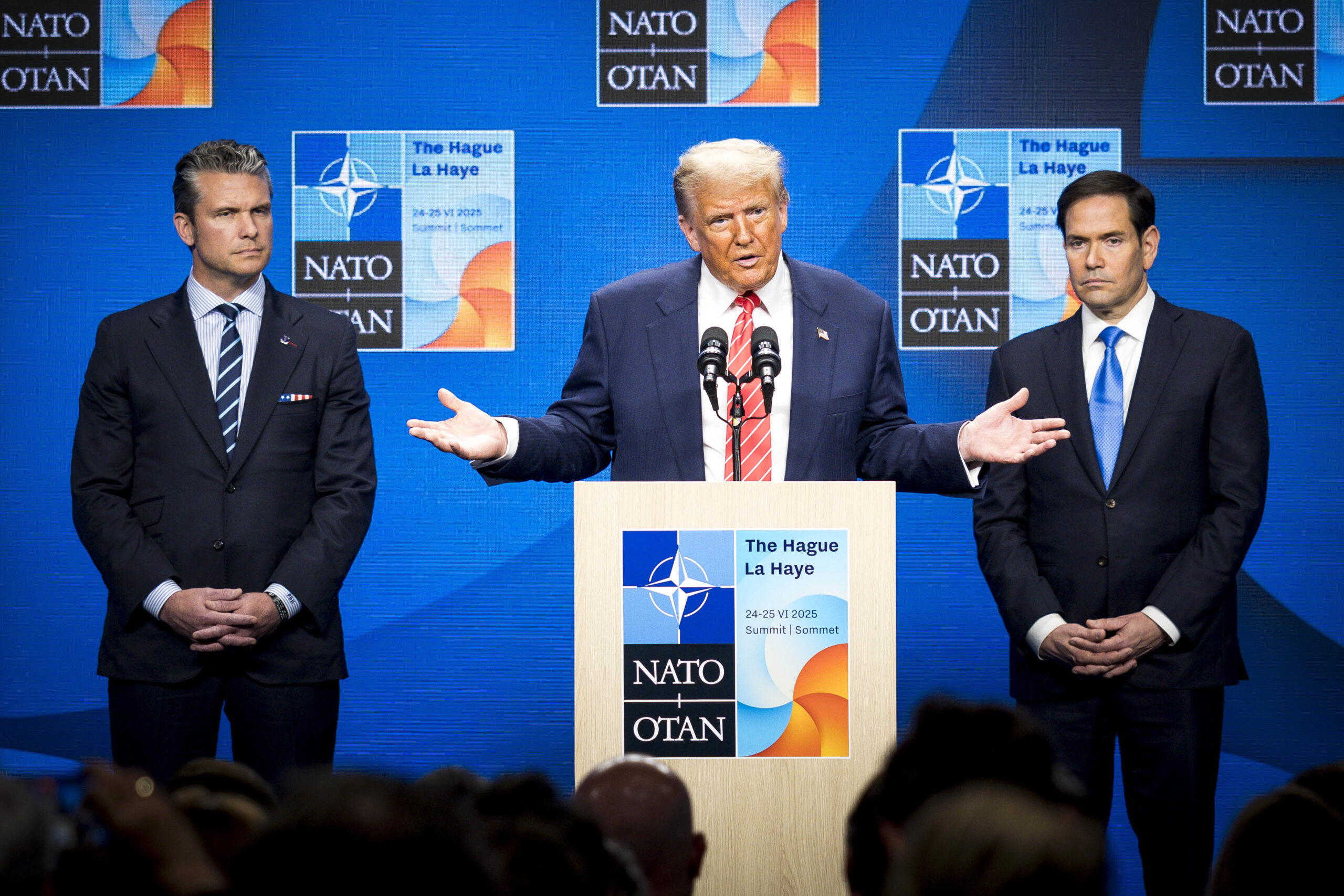
Ah, to be a fly on the wall of the NATO summit. In case you missed it, alliance leaders met this week in the Hague and, well, they had a lot to talk about.
Some highlights included: Trump flying in pretty pissed at Iran and Israel, Rutte sending Trump a wall of complimentary text (and calling him “daddy”), and Trump’s jumpscare when he suggested Washington might not abide by NATO’s Article 5. Oh, and Pete Hegseth might become the Secretary of War.
We watched the whole thing happen so you didn’t have to. Read on for an overview.
Big spending: From pretty much the day he came back into office, Trump and his administration have been saying that Europe is simply not spending enough on defense. Well, now it looks like things are changing. At this week’s summit, NATO leaders officially committed to spending 5% of GDP on defense by 2035, with a progress review set for 2029.
- Article 3 of NATO’s founding charter calls for members to “maintain and develop their individual and collective capacity to resist armed attack.” That’s the basis for the spending commitments.
- The 5% spending will be broken into two parts: 3.5% on “core defence requirements,” and 1.5% on protecting infrastructure, boosting manufacturing, upping cyber defenses, and the like.
- Spain and Slovakia said they would not commit to the spending goal, prompting threats from Trump (who had it on their bingo card that Spain would become enemy #1?).
- Trump called the commitment a “big win” for the US and the West.
Mutual Defense: On the way to the summit, Trump freaked people out when he waffled on whether the US would adhere to Article 5 of NATO’s charter—the commitment to mutual defense. An attack on one is an attack on all, and all that.
Getting on Air Force One, Trump said it “depends on [the] definition” of the Article, and that he was committed to “being their friends.” However, the end-of-summit communique seemed to clear things up. Member states reaffirmed their “ironclad commitment to collective defence” and Trump said publicly he’d respect Article 5.
Israel-Iran: The NATO summit kicked off as Trump declared a shaky ceasefire between Iran and Israel, and just days after the US carried out (dubiously successful) strikes on Iranian nuclear facilities. The war played a pretty big role at the summit.
- Rutte went pretty gung-ho on the US attacks on Iran. In an opening press conference, he said, “Allies have long agreed that Iran must not develop a nuclear weapon,” and dismissed comparisons between Russia’s invasion of Ukraine and the US bombing of Iran.
- In closing statements, Rutte said Trump “deserves all the praise” for the Iran attack.
(The “daddy” moment also happened when Rutte praised Trump for taking a tough stance on Israel and Iran. Trump seemed to lean into the nickname.)
US officials also dealt with the aftermath of the strikes on Iran’s nuclear facilities. A report by the Defense Intelligence Agency (DIA) leaked on Tuesday found that the attack only set Iran’s nuclear program back by a few months. A very angry SecDef Hegseth called such reports “fake news” and launched an investigation into the leaks (which would seem to indicate the report was, in fact, real).
The Trump administration maintains that Iran’s facilities were severely damaged,
The other war: Lest we forget, there is still a war raging on the European continent. At the outset of the summit, Rutte said that Russia remains “the most significant and direct threat facing [the] alliance” and said “we all want peace for the Ukrainian people.”
Language in the closing communique, however, was less firm. Ukraine got one line buried at the bottom, which seemed to poo-poo the country’s NATO aspirations: “Allies reaffirm their enduring sovereign commitments to provide support to Ukraine, whose security contributes to ours, and, to this end, will include direct contributions towards Ukraine’s defence and its defence industry when calculating Allies’ defence spending.”
Trump, however, seemed to (once again) change his tone on Ukraine and its leader.
- He met with Ukrainian President Volodymyr Zelenskyy for nearly an hour, which he said was “very nice.”
- In a press conference, he seemed almost emotional when speaking to a Ukrainian reporter about Patriot missile defense systems—and indicated the US would try to get more of the systems to Ukraine soon.
- Trump seems to be turning on Putin. In a dramatic shift from that Oval Office meeting back in February, he said the Russian President was “more difficult” than Zelenskyy and said, “Vladimir Putin really has to end that war.”
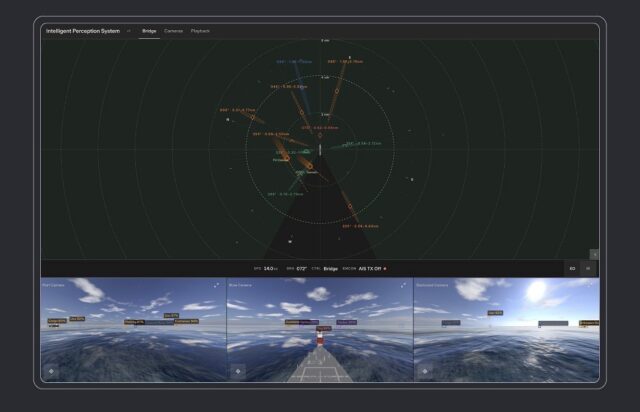
New tech: NATO’s closing communique did give a nod to cutting-edge tech, but without too many specifics. The alliance said it would “harness emerging technology and the spirit of innovation to advance [its] collective security,” and would work to eliminate trade barriers that restrict the sharing of such tech.
NATO also passed the “Rapid Adoption Action Plan,” which aims to speed up adoption of tech incubated by organizations like NATO DIANA and the NATO innovation fund.
In particular, the plan calls for sped-up procurement processes and for the alliance to better communicate its defense priorities so that commercial companies actually build to meet allied military needs. The alliance:
- Will better communicate defense priorities to companies through the “NATO Front Door for Industry.”
- Will adopt new tech—for the most part—within 24 months.
- Will found the “Innovation Procurement Forum,” which will collaborate to establish best practices on how to get new tech adopted faster.
- Will also award “Innovation Badges” to commercial and cutting-edge tech that’s been tested and security vetted.
- Will also bring all member states’ innovation units together under the “Allied Defence Innovation Entities” to collaborate and increase interoperability of new tech.
Now, let’s see if any of it actually works.