
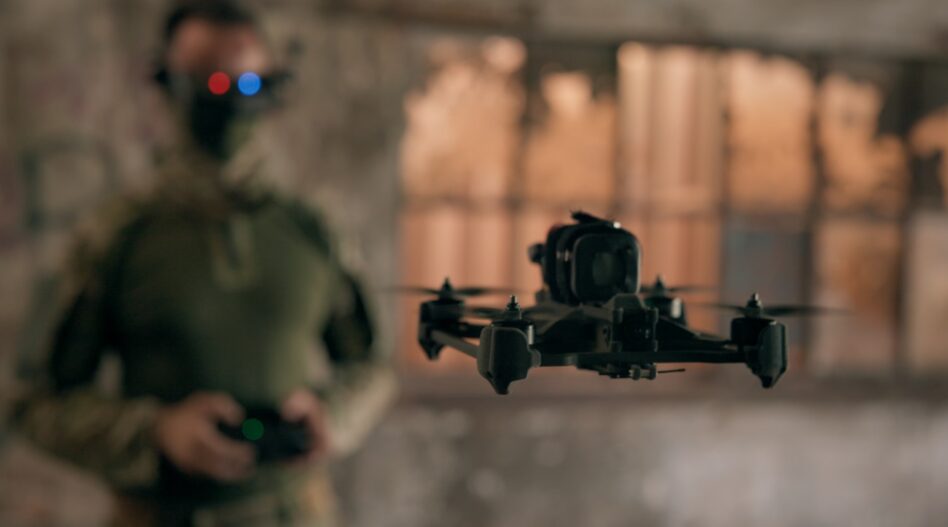
When you think of European defense tech hotspots, Croatia probably isn’t the first country that comes to mind—but maybe it should.
Earlier this week, Orqa FPV announced that it has boosted its annual production capacity to 280,000 NDAA-compliant, Chinese-component-free FPV drones at its headquarters in Osijek, Croatia. That big bump, CEO Srdjan Kovacevic told Tectonic, is both to fulfill their current orders and to get ahead of surging demand abroad, especially in the US.
Big buzz: Orqa has maintained a lower profile than most others in the drone scene, but they’ve been quietly ramping up fully vertically integrated production of small UAVs and pretty much everything you’d need for ‘em:
- Orqa has three FPV drones on offer: The MRM1-5 training drone, the NDAA-compliant and EW-resilient MRM2-10, and the more commercially marketed Dream X.
- They also make goggles, flight controllers, motors, printed circuit boards (PCBs), cameras, radios, and all the mechanical parts for those drones in-house, with China cut out of the bill of materials.
- Last year, they delivered over 100,000 products (drones, accessories, and components) to customers across more than 50 countries, and Kovacevic says they’ll double that this year. With their added capacity, that number can reach “comfortably in the millions.”
Modrić not Mavic: The jump up to 280,000 FPV drone units and many more components isn’t theoretical—Kovacevic says they’ve been quietly at that capacity since the summer, but they want more eyes on Croatia as the drone boom kicks into high gear.
“Capacity is not a problem for us. We can serve the needs of our direct customers, and we can service our partners and help them serve their customers,” he told Tectonic. “I expect that throughout 2026, we will see the first larger contracts in the West, both in the United States and in Europe, and we wanted to make sure that people understand that we’re ready and we’ve invested in the capacity to serve that demand.”
EuroTrip: Those numbers should catch the eye of a few folks in a drone-frenzied Pentagon, which just rolled out plans to buy up to 300,000 small one-way attack (OWA) drones by 2027 through the Drone Dominance Program, not to mention the 1M drones on Army Secretary Dan Driscoll’s wish list.
Kovacevic says Orqa is “100 percent” positioning itself to compete for those big Pentagon contracts alone, emphasizing their drones’ NDAA compliance and China-free supply chain. But they’ve also been “working very hard over the last couple of years to build an ethic of partnerships so we can localize the manufacturing of drones in our partner markets,” including in the US.
Teaming up: For Orqa, that growing partner network—which includes a long-standing FPV manufacturing licensing partnership with a “Western European NATO country”—is not just good for them but also for their pals abroad, too. “We help them build up manufacturing as their sovereign capability in their country, so they can be closer to the end-user and serve the end-user better with domestically produced drones,” Kovacevic said, and the US is “front and center” in that mission.
They haven’t publicly announced who their new friends stateside are, but with the capacity to pump out 280,000 FPVs a year at home and many more abroad through partners localizing production, Orqa has its eyes on becoming a whale in the drone game.