A formal US-Ukraine drone deal has yet to be finalized, but that hasn’t stopped companies from inking partnerships of their own.
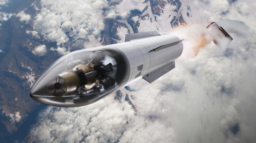
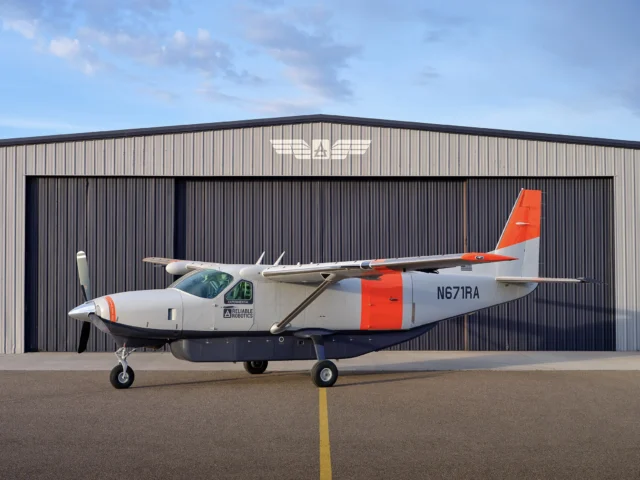
In an exclusive release to Tectonic this morning, US-based drone company Powerus and US-Ukrainian UAV software company Swarmer announced a partnership to explore integrating Swarmer’s swarming tech with Powerus’ “air and maritime platforms, mission systems, and US-based manufacturing and integration resources.”
With Swarmer’s experience and operator trust developed in Ukraine and Powerus’ traction—and connections, thanks to some friends in the White House and on their cap table—the team has big plans for their partnership.
Power up: To back things up, this ain’t Powerus’ first rodeo with Ukrainian defense tech. In fact, that’s kind of their whole M.O., and their origin story is straight out of a movie script.
- The startups’ founders—a crew of ex-military intelligence personnel—met on the ground in Ukraine soon after Russia invaded.
- The company’s president, Brett Velicovich, told Tectonic that he got a call from a few old friends at JSOC, saying, “Look, we gotta go into Ukraine. There are a bunch of Americans who are stranded. The State Department left and basically told Americans that Russians are coming, and we can’t help you anymore if you don’t get out.”
- After driving “hundreds” of extracted Americans across the border in Sprinter vans commandeered from a tourism company, Velicovich and his team started hearing stories about US defense technology from “big names that people would recognize” underperforming on the battlefield in Ukraine.
- After seeing how quickly Ukrainian tech was developed and adapted, they decided to take matters into their own hands with Powerus, both by introducing Ukrainian defense tech to the US market and by developing and honing their own tech based on what they saw the Ukrainians doing.
To date, Powerus has three main companies under its umbrella:
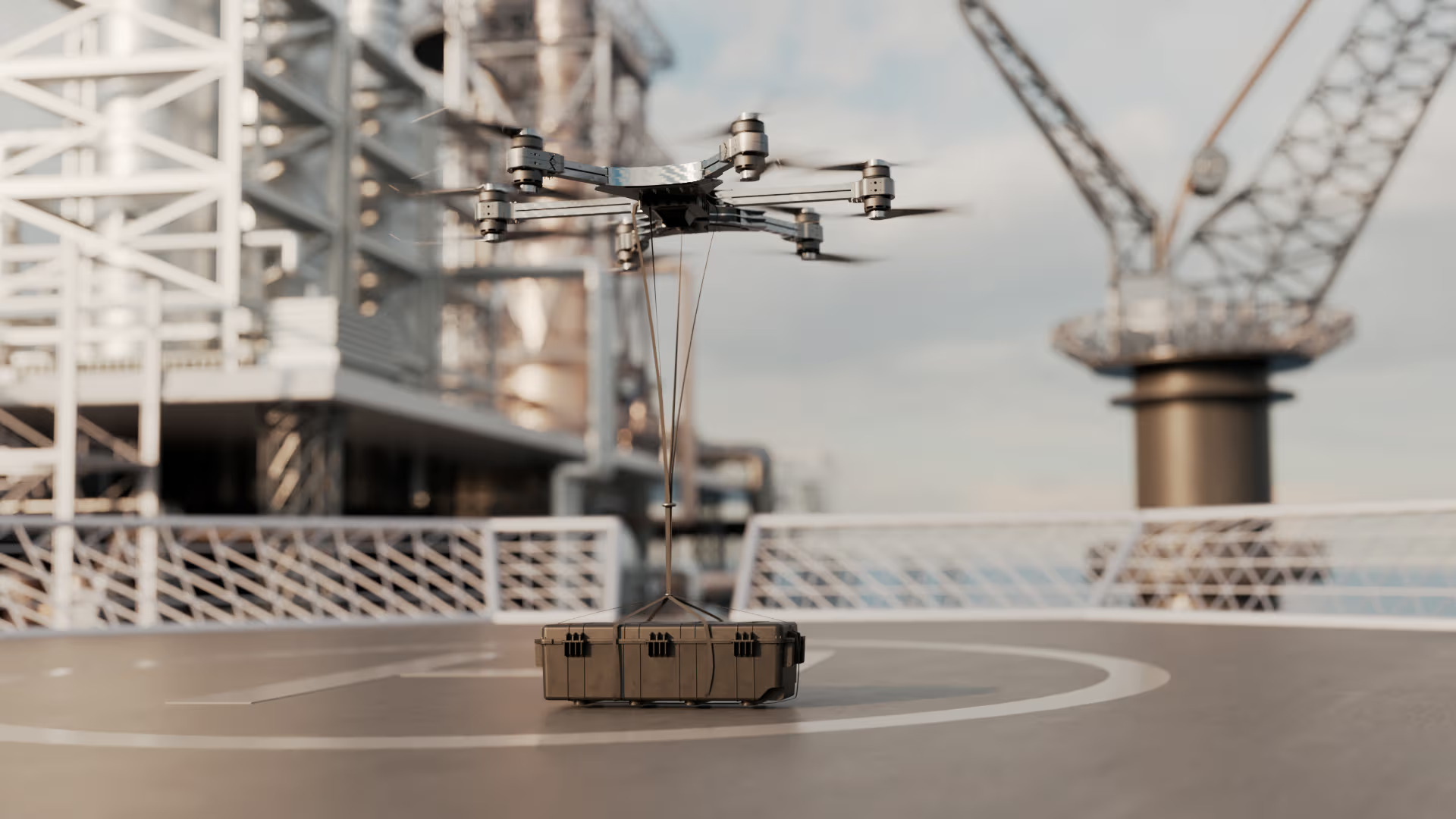
- Kaizen Aerospace, which makes heavy-lift aerial drones with payload capacities ranging from 100 lbs to 1,000 lbs. Velicovich told Tectonic that they’re prototyping one with a 2,000 lb capacity.
- Tandem Defense, which makes FPV quadcopters, including one that made the cut for the Drone Dominance Program’s Phase II competition.
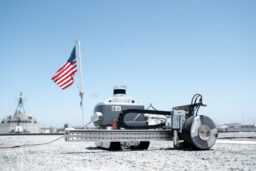
- Agile Autonomy, which is focused on maritime autonomy and “converting boats that already exist and making them USVs,” Velicovich said.
They also have their own family of small interceptor drones called Guardian, which they recently signed a contract with the US Air Force Special Operations to supply “at scale” and deploy in the Middle East.
Big buzz: For its part, Swarmer—which opened a US headquarters and went public on the Nasdaq in March (with shares skyrocketing 600 percent in its first day of trading)—builds software that enables “groups of drones to execute missions autonomously, translating human-defined objectives into coordinated action.” That includes:
- Swarmer UI: Swarmer’s flagship swarm management software, which coordinates recon and strike drones, even in areas with limited comms. Styx lets drones coordinate among themselves, task, and adapt to changing conditions.
- Swarmer AI: A module for collaborative autonomy, designed especially for denied environments.
- Swarmer OS: The company’s UAV operating system layer. This helps ensure secure data storage, streaming, and status updates, making the swarms reliable.
And—as you’d expect from a company with Ukrainian roots (their parent company is based in Austin)—their stuff is pretty battle-proven. According to their S-1, they’ve flown over 100,000 combat missions in Ukraine.
Teaming up: When Tectonic asked Swarmer co-founder and US CEO Alex Fink what the company’s US strategy was before their IPO, he said it was twofold: Work with the military to understand what operators really need in terms of autonomy and swarming, and work with companies to integrate Swarmer’s software directly onto their platforms.
The latter is what this whole deal with Powerus is about.
“We’re going to work together to figure out ways to advance the technology to the point where the Department of War can trust swarm technology,” Velicovich said. “The importance of swarming can’t be understated—everyone talks about wanting a million drones, but we don’t necessarily have a million pilots, so swarm technology gives you that capability of one man being able to control hundreds of drones, and that’s what we need.”
- They’re also exploring “manufacturing and integration feasibility” by bringing Swarmer into Powerus’ US “production base and strategic supplier network.”
“We’ve been working [with Swarmer] and have had a strong relationship leading up to their IPO, and it’s a win-win situation for us both,” he added. “Our goal is to get better capabilities in the hands of operators faster, and when we pair those technologies together, it provides better tech for the soldier to have out there at their disposal, versus having to go to all these different vendors.”
That whole breaking-down-siloes thing is very much in vogue these days (Operation Jailbreak, anyone?), so they’re betting that this team-up is just what the Pentagon ordered.