Unlike in the UK, it’s Christmas in June for the US defense world.
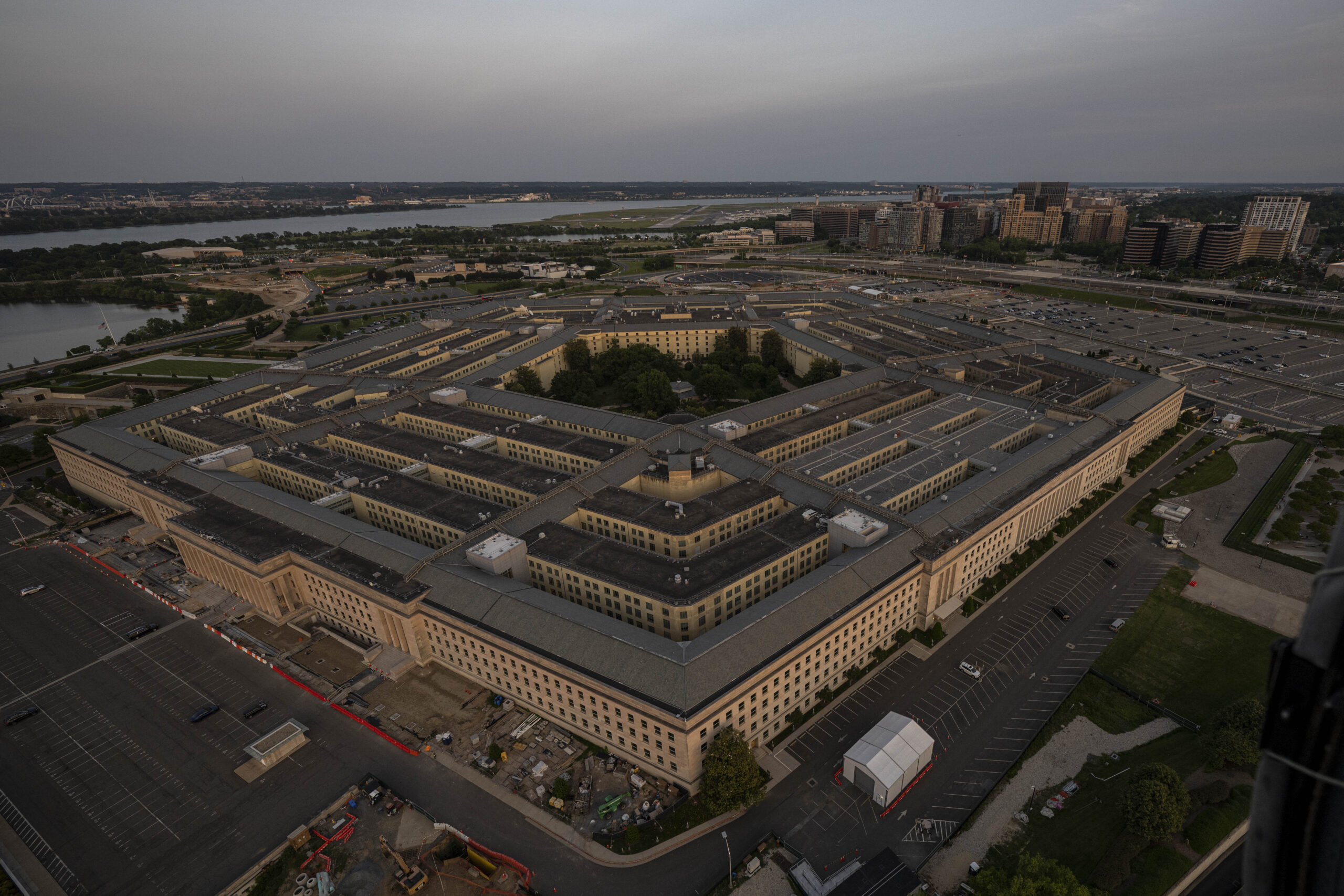
Yesterday, the House Appropriations Committee released its $1T FY2027 defense spending bill—in line with the Pentagon’s request—and there’s a lot to get excited about for our friends in the startup world (and of course, the primes, too).
That eye-watering number doesn’t include $350B in reconciliation funding the Pentagon requested, which’ll be hashed out outside of the appropriations process. All in all, it looks like the thirteen-figure military budget is here to stay—especially with the war in Iran picking back up and Defense Secretary Pete Hegseth looking to “negotiate with bombs.”
“Recent conflicts have highlighted the pressing need to acquire and produce the munitions, weapons, and technology our troops require to meet the moment in both modern and future warfare,” HAC Defense Subcommittee Chairman Rep. Ken Calvert said in a statement. “The increased funding provided in this bill aims to achieve that urgent goal in addition to building off the defense innovation programs I have prioritized.”
Let’s get into (some of) the numbers.
Boom bucks: Munitions production and acquisition are a key focus of the House’s defense spending bill, which comes as no surprise, given the pace that the US military is burning through them in Iran, SOUTHCOM, and elsewhere.
Among other systems, the bill calls for:
- $10.6B for workhorse munitions including PAC-3 and THAAD interceptors, SM-6, Tomahawks, Long Range Anti-Ship Missile (LRASM), SM-6 missiles, Joint Air-to-Surface Standoff Missile (JASSM), Advanced Medium-Range Air-to-Air Missiles (AMRAAM), the new Precision Strike Missile (PrSM), and others. Lockheed makes most of that.
- $355M for the Air Force’s Family of Affordable Mass Missile (FAMM) systems, which Anduril, CoAspire, and Zone 5 Technologies (now Kongsberg) are developing.
- $325M for low-cost hypersonic strike systems for the Army, and $156M for the Navy. Castelion seems like a shoo-in for that, especially since it’s developing its Blackbeard missile for both services and inked a two-year deal with the Pentagon last month for 500 of them annually, with the ultimate goal of buying 12,000 over five years after testing wraps up.
Notably, the bill also authorizes multi-year procurement authority for FAMM, Low-Cost Hypersonics, Ground-Launched Low-Cost Cruise Missiles, and the more exquisite systems under the $10.6B provision.
Zoom zoom: For the folks making fancy flying things, there’s a lot headed your way, too. Drones of all flavors—including the tech that takes them down—are another big focus of the bill. That includes:
- $977M for the procurement of the Air Force’s Collaborative Combat Aircraft, which Anduril and General Atomics are competing for. Lockheed, Northrop, and Boeing are also in the running.
- $771M for three Boeing-made MQ-25 Stingray unmanned carrier-based aircraft for the Navy.
- $5.9B for sixth-generation aircraft, including $915M for the Navy’s F/A-XX next-gen fighter and $5B for the Air Force’s F-47.
- $1.4B for the Pentagon’s counter-drone-focused Joint Interagency Task Force 401 (JIATF 401).
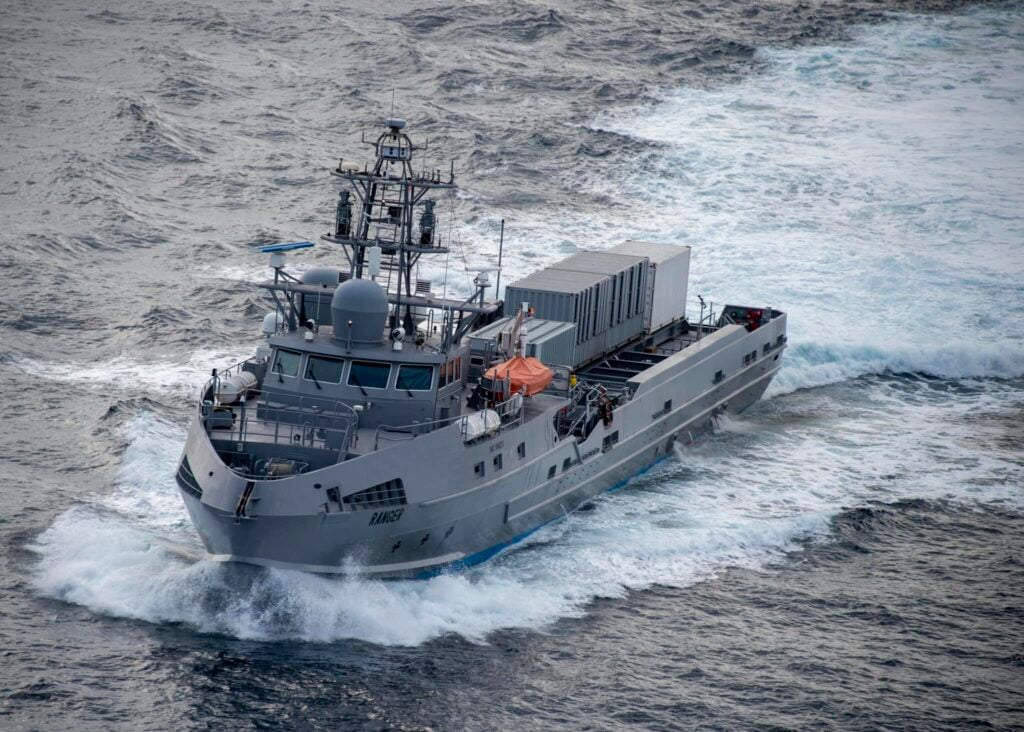
- $1B for a whole bunch more autonomous systems that the Defense Autonomous Warfare Group (DAWG) wants to get its hands on.
Race to innovate: Innovation programs that back startups of all kinds are also getting some funding boosts in the bill, including:
- $600M for the Accelerate the Procurement and Fielding of Innovative Technologies (APFIT) program.
- $1.1B for the Defense Innovation Unit (DIU).
- $216M for Office of Strategic Capital (OSC), which provides $2.16B in lending authority.
- $510.9M for “operational energy capabilities” and microreactor projects (like the Army’s Project Janus). Antares Nuclear looks set to take a chunk of that.
The bill is set to be marked up by the House Appropriations Defense Subcommittee (HAC-D) today, and then again by the full committee on June 24. House Appropriations Chair Rep. Tom Cole (R-OK) is pretty pumped about what they’re bringing to the table so far.
“Thanks to this legislation, we are ensuring our armed forces remain equipped, prepared, and ready for whatever threat emerges,” he said. “The result is a stronger military, a more secure nation, and a clear message to our adversaries: the United States will remain the world’s preeminent fighting force and the strongest guarantor of preserving freedom.”