A few short weeks after raising a $60M Series B at a $600M valuation, Heaviside is showing no signs of slowing down.
Late last week, the California-based super-stealthy, precision-munitions company was awarded a five-year, $99M IDIQ contract with the US Army, but it wasn’t for the tech you might expect from a go-boom startup. Instead, the Army is snapping up Heaviside’s passive RF spectrum analyzer, called MOTH, to give soldiers a pocket-sized drone and radio-signal detector.
New kids on the block: If this seems a little out of left field, you’re not alone. Heaviside, which itself is flying pretty under the radar, is a new player on the explosives scene. Their main thing is autonomous precision munitions, but they’ve quietly built MOTH and gotten it to the highest level of readiness alongside those munition systems.
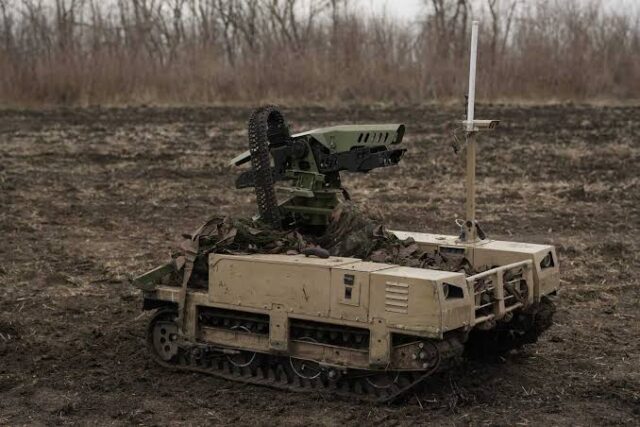
- Heaviside is keeping a lot of the details on what it is they’re actually building hush-hush, but CEO Phillip Walker recently told Tectonic they have “autonomous precision munitions in the air right now” and “more than one autonomous precision munition on the water.”
- That tech has already been tested by US special forces, NATO special forces, and conventional forces in “multiple NATO countries and the US,” Walker said, and their “focus is on being able to hit a sub-one-meter target at a very affordable price point.”
- Since coming out of stealth with a $28M Series A in May, Heaviside has raised (as we just said) another $60M at a cool $600M valuation—and inked a deal with Norwegian ammunition giant Nammo to provide the warhead for Heaviside’s “multi-domain precision munitions platforms.”
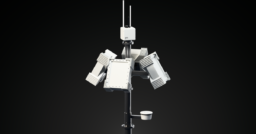
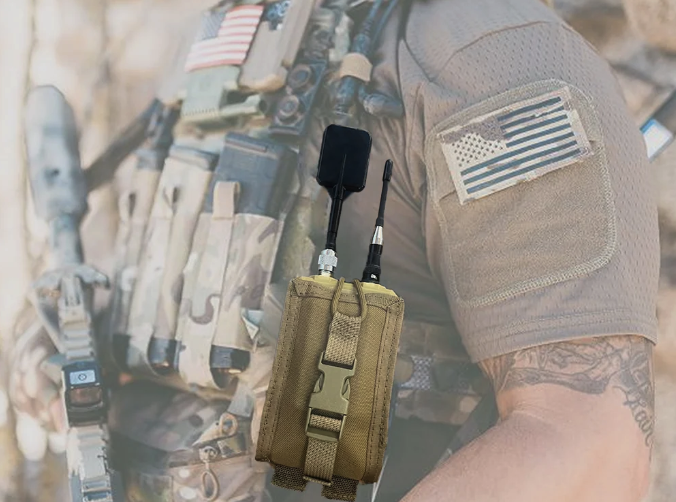
High signal: MOTH, to be clear, is very much not in the same family of systems as Heaviside’s other products. According to the company, it’s a “ruggedized and lightweight NDAA-compliant passive RF spectrum analyzer” that’s designed to be worn by soldiers to alert them to “nearby radio signals, such as enemy communications or UAS attacks.”
- The entire system—batteries, antennas, and all—weighs less than a pound and costs less than $5,000, but can detect signals between 5 MHz and 6 GHz, which includes most drone-control links and other comms systems.
- When a drone or enemy comms signal is detected, MOTH alerts the operator via vibration, “allowing them to stay focused while receiving real-time threat information.”
- It’s also designed to function in all weather conditions and integrate into ATAK. It has GPS and a small screen to display waveforms, and scans five times per second. Seems pretty handy.
Heaviside couldn’t provide any details on the contract, but the award was competitive (nearly 100 others bid on it), and it covers “procurement, fielding, upgrades, and sustainment” of the system.
If they’re out here winning big contracts for their side projects, that seems like a good sign for their main precision munitions biz.