
Gather round, kids. It’s time to get into the nuts and bolts again.
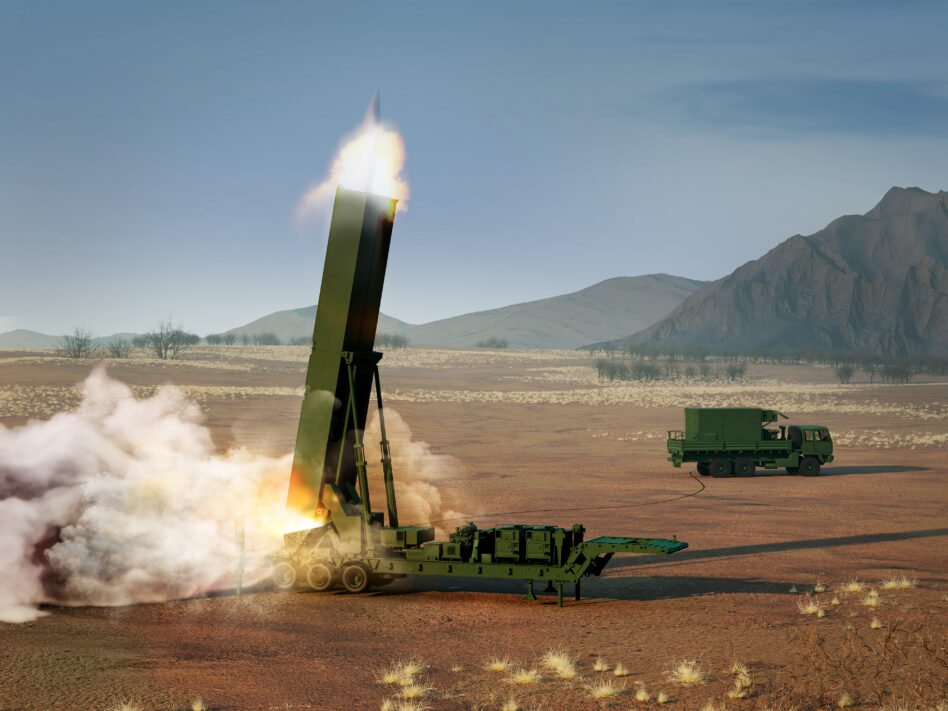
So, you know how most of the tech we know and love is built out of metal? And you know how that can present some, erm, challenges, especially at super-high heats and speeds? And, also, you know how people coat that metal in ceramic-based compounds to make it more resistant in those extreme environments (like, say, for a fighter jet or when building a hypersonic missile)?
(If you didn’t, well, now you do.)
Well, turns out that can present some issues too—ceramic coatings (especially thermal barrier coatings) tend to degrade, crack, and even chip off as a result of oxidation over time. Plus, if you’re using it in salty (read: maritime) or dusty environments, that breakdown is even quicker.
Luckily, one company has figured out a solution—and they’ve just raised a bunch of money to roll it out across a whole range of critical industries, including defense.
Chocolate-coated: This morning, advanced materials startup INTALUS announced in an exclusive release to Tectonic that they’ve raised an additional $20M in seed funding to further develop their integrated metal-ceramic materials, bringing total funding to $31M.
- The company (founded back in 2018) described their product as “Kevlar or Gore-Tex for metals”—basically, it integrates ceramics directly into metals to increase heat resistance and durability rather than having a coating that sits on top.
- Investors include Origin Ventures, Scout Ventures, and Lockheed Martin Ventures.
- The funding will “accelerate commercialization and expand manufacturing at Purdue University’s Hypersonics Advanced Manufacturing Technology Center,” per the company
“If you think about…any kind of moving component that has wear and erosion issues, or that has thermal or oxidation challenges, or there’s conductivity challenges within the materials, that’s where we play,” CEO and co-founder Gene Skiba told Tectonic. “[Our process] provides improved survivability and performance capabilities above and beyond traditional technologies.”
And, in a fun non-defense tech twist (as a treat), INTALUS has also signed a partnership deal with Öhlins Group to build metal-ceramic components for Formula One and other “elite motorsport applications.”
Missiles and sportscars. We love to hear it.
Zoom zoom: Now, you might be sitting there thinking—why, in the whole freaking world, is Tectonic going on about ceramic coatings? Isn’t that a car thing?
That’s where you’re wrong. Ceramic coating—basically high-performance ceramic-based materials that make things stronger and protect against heat—is on everything from turbine blades in a fighter jet, to combustors, to rocket nozzles and anything else that gets real hot.
- Basically, the ceramic heats up rather than the metal, protecting the (often) super-expensive alloys underneath.
- That means engines can run hotter and platforms can go faster—more thrust, better fuel efficiency, and improved performance.
- This is especially true for things like hypersonic missiles, where everything would basically get cooked when flying above, say, Mach 5.
Pick ‘n’ mix: INTALUS has taken all the benefits of ceramic coating and made it, like, even better and more durable by mixing it in with metals and alloys themselves.
- Ceramics are infused into the surface of the metal, rather than sitting on top. The ceramics diffuse gradually into whatever material is below, doing away with a fragile bond layer that often breaks down over time.
- The company couldn’t reveal full details of how, exactly, it does this, but according to their site, they use “highly localized energy to integrate ceramic-forming elements into the surface of metal, improving performance in high-stress environments.”
- These materials are applicable in, like, a ton of places—anything “from satellite components or propulsion systems to space vehicles, to aircraft of any size in our atmosphere to undersea applications…[to] any energy platforms as well,” Skiba said.
- And the defense big guns have taken notice—they were invited to set up a production facility at the Hypersonics Advanced Manufacturing Technology Center (HAMTC) at Purdue University in June, and—as mentioned—Lockheed is sat firmly on their cap table.
- Worth noting that Skiba said the process is “very cost efficient…very competitive to current technologies that exist today, but with improvements on survivability and performance.”
This funding will (as per) help the company scale things on up and move into manufacturing components made of metal-ceramic materials themselves.
- The company plans to build things like fasteners (look it up) made of this material to increase performance and durability on things like cars and aircraft.
- They will also do a bunch of hiring—they’ll start on surface engineering, then expand their product portfolio.
- Right now, the company works with three primary materials—nitrides, carbides, and borides. But with this funding (and further development), they’ll be able to develop more “custom blends” and expand across the periodic table, per Head of Corporate Strategy Steve Place.
“Ultimately, we want to give the United States control over its manufacturing future,” Place added. “We don’t think that’s done by copying global competitors. We need to leapfrog what’s available right now in the market and what the United States has capacity for.”