Ondas had quite the week at Eurosatory.
At the defense expo in Paris, the US-based autonomous systems roll-up company unveiled a slew of new tech under its “Autonomy at First Contact” vision, including a ground robot, an autonomous defense orchestration system, and a couple of new counter-drone systems.
In that broader announcement, Ondas hinted that one of those new c-UAS systems is an interceptor called Iron Arrow. In an exclusive interview with Tectonic, the company shed some more light on what they’re bringing to the table, and how it works with all of the other drone-downing tech they have on offer.
Dark horse: Ondas, for the uninitiated, has quietly been making major moves in the sensing, multi-domain autonomy, and counter-drone world with an ever-expanding portfolio of both US and global subsidiaries and technologies.
- In the second quarter of this year, they’ve booked over $110M in orders, more than doubling their Q1 revenue.
- They’ve also been active backers of drone companies we know and love, like PDW and Firestorm, through their $150M investment arm, Ondas Capital.
At Eurosatory, they unveiled six new technologies, including:
- Iron Wave, a containerized air defense system integrating ground robotics and c-UAS platforms. CEO Eric Brock told Tectonic that it’s actively deployed in combat, strongly implying in the Middle East.
- LADOS, a layered autonomous defense orchestration platform designed to control air and ground systems and sensors, and “can be mapped into broader command-and-control systems, like Lattice, for example,” Brock said.
- Dual Shield, a truck-mounted c-UAS platform designed for maneuvering forces.
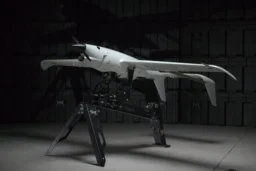
- Iron Arrow: A fully autonomous interceptor designed to take down high-speed aerial threats, including Group 2 and Group 3 UAVs.
Iron Arrow, by the sounds of it, packs a punch.
- It has a roughly 15 km range, a top speed of over 350 km/h, and comes in both a hit-to-kill and warhead-equipped configurations.
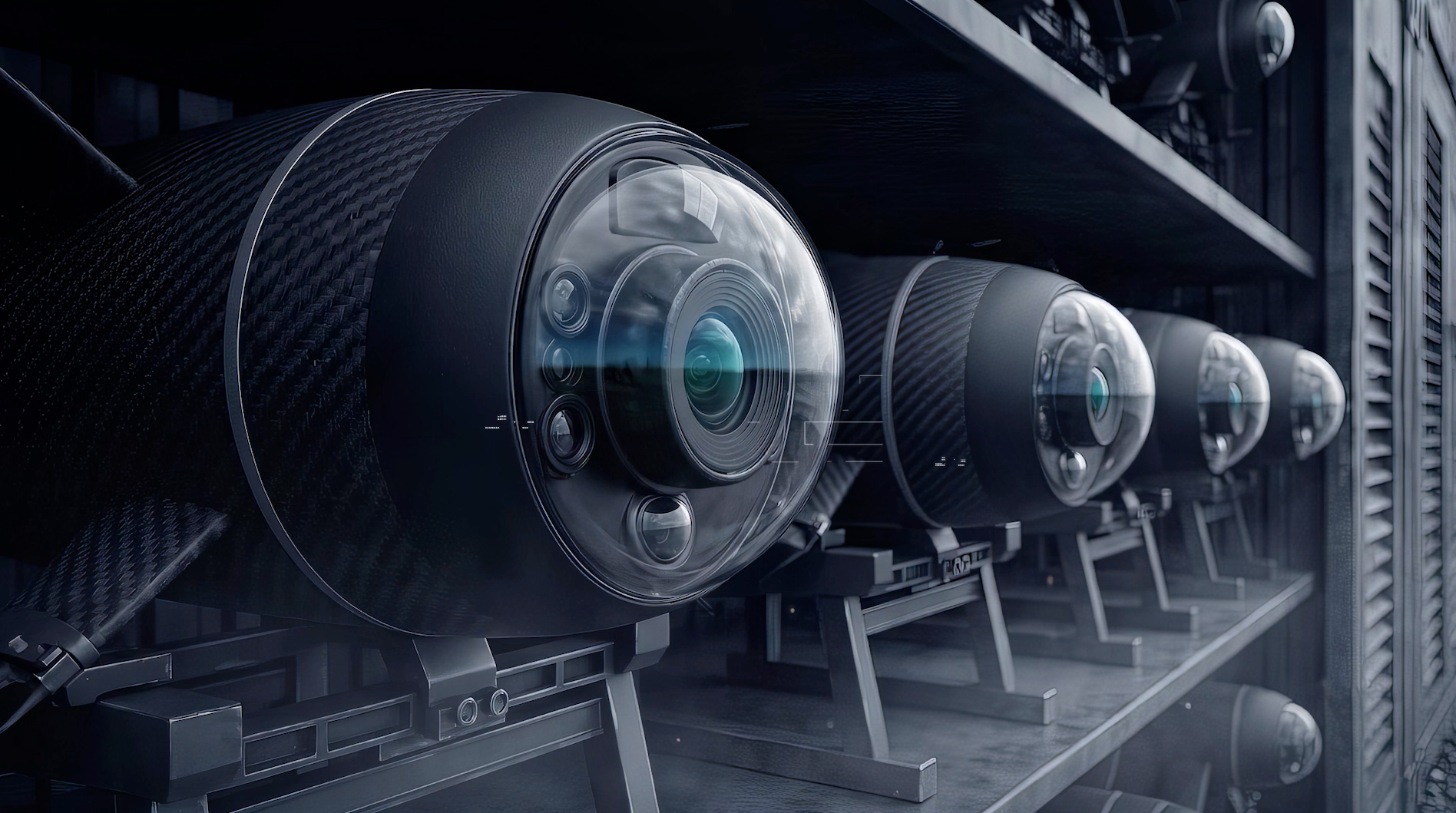
- It can operate autonomously in GPS-denied environments and be launched from a containerized battery system that holds 20 interceptors.
- It’s integrated into Ondas’ broader, multi-layered C-UAS ecosystem rather than operating as a standalone interceptor.
And according to the company, it was “developed through collaboration among multiple technology teams within the Ondas group,” and is “currently being evaluated and deployed within customer development programs.”
Sounds like the roll-up might have another winner on its hands.