If you think the defense tech scene is hot in the US, take a look across the pond.
Yesterday, German drone startup STARK quietly announced a very chill €500M ($567M) fundraising round led by longtime (in defense startup terms) backers Founders Fund and Sequoia Capital. The two-year-old company told Tectonic that the round put its valuation at €3.5B ($3.97B).
- The NATO Innovation Fund, Project A, Air Street Capital, 201 Ventures, Advent International, and Döpfner Capital also participated in the round.
- STARK, which has been pretty quiet about its capital raises, was reportedly valued at more than €1B in an undisclosed funding round earlier this year. That’s nearly quadrupled since.
Doesn’t seem like Germany’s messing around with this whole Zeitenwende thing, does it?
Make it rain: STARK, alongside its sister company Quantum Systems and teeny-tiny startup Helsing, is becoming a household name in the German defense world. And judging by the size of some of the contracts it’s won and money raised, that’s for good reason.
Since it was founded in 2024, STARK has quickly rolled out a whole bunch of drones and drone-focused software of all flavors. Those include:
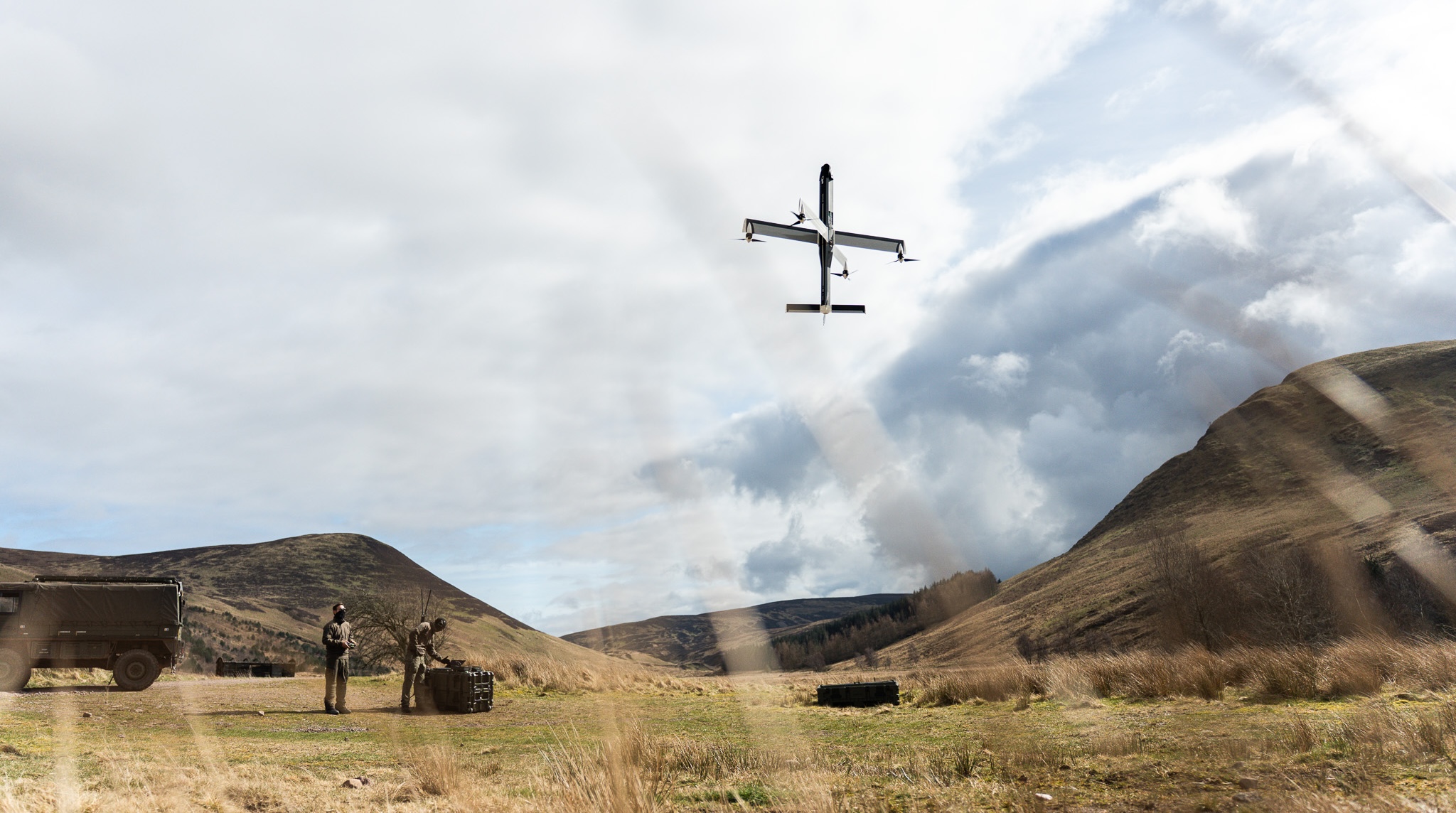
- Virtus, STARK’s flagship long-range VTOL loitering munition, which can deliver precision strikes up to 130km in GNSS-denied environments. STARK won a massive €2.8B “framework contract” with the German military for Virtus back in February.
- Cascade, a tube-launched, man-portable loitering munition with a range of up to 100km. It was unveiled at the ILA Berlin air show earlier this month.
- Gambit, a 6kg man-portable quadcopter designed for ISR and short-range strikes (also unveiled at ILA Berlin).
- Vanta, an unmanned surface vessel that comes in 13 and 20-foot variants. It’s primarily designed for ISR, but can be configured for go-boom missions. Vanta was rolled out last September.
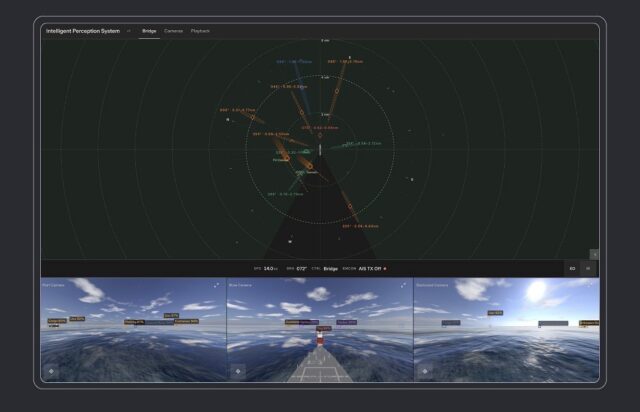
- Minerva, STARK’s C2 software that helps coordinate unmanned systems across all domains from a single ground station.
The company has also dipped its toes into the white-hot world of directed energy counter-drone systems in April through a partnership with German precision laser company Inleap Photonics, focused on putting lasers on STARK’s unmanned platforms starting with Vanta, and into the advanced manufacturing scene by acquiring AeroMass Technologies last December.
Up and up: This time last year, STARK just had the Virtus loitering munition and Minerva C2 software on offer, so, needless to say, they’ve been moving pretty dang fast.
The German military has, too.
- In October, the German military awarded STARK and Helsing roughly €300M each to deliver about 12,000 strike drones (in STARK’s case, that would be Virtus) to a German brigade in Lithuania.
- That deal, which was held up in German parliament in part due to STARK’s ties to Peter Thiel (via Founders Fund), was ultimately approved in February. Looks like they’re not too concerned about future controversies given Founders Fund’s participation in the latest raise.
Spending spree: Needless to say, €500M in fresh funding should help the drone wunderkind keep its foot on the gas.
In a statement to Tectonic, the company said that its latest cash haul will “fund new electronic warfare research facilities, scale production output to thousands of systems per month, and accelerate the development of sovereign defence capabilities,” and “more than 80% of the capital raised will be invested directly into R&D and manufacturing.”
“The challenge facing Europe is no longer whether we can innovate, it’s whether we can scale,” STARK CEO and founder Uwe Horstmann added. “This financing is a €500 million commitment to Europe’s defence industrial base—funding the engineers, factories and technologies that Europe needs now.”